If squirrels are digging in the beds, stealing tomatoes, or emptying the bird feeder, you’re probably looking for a way to keep them out of the garden that actually lasts.
I went through what university extension services and state wildlife agencies recommend for gardens, and a pattern showed up pretty quickly.
To keep squirrels out of your garden, protect the plants they’re actually after with physical barriers — hardware cloth, netting, or cages — take away easy food like spilled bird seed and fallen fruit, and treat smell-based repellents as a top-up you have to reapply, not as the whole plan. Raised beds alone will not keep squirrels out.
Squirrels are persistent, and they’re excellent at finding a weakness in a flimsy fence. The good news is you don’t have to “get rid of every squirrel in the neighborhood.” You have to make your tomatoes, bulbs, and feeder harder to use than the oak tree down the street. Let’s look at what works, what fades after the first rain, and where people usually go wrong.
What is attracting squirrels to the garden in the first place?
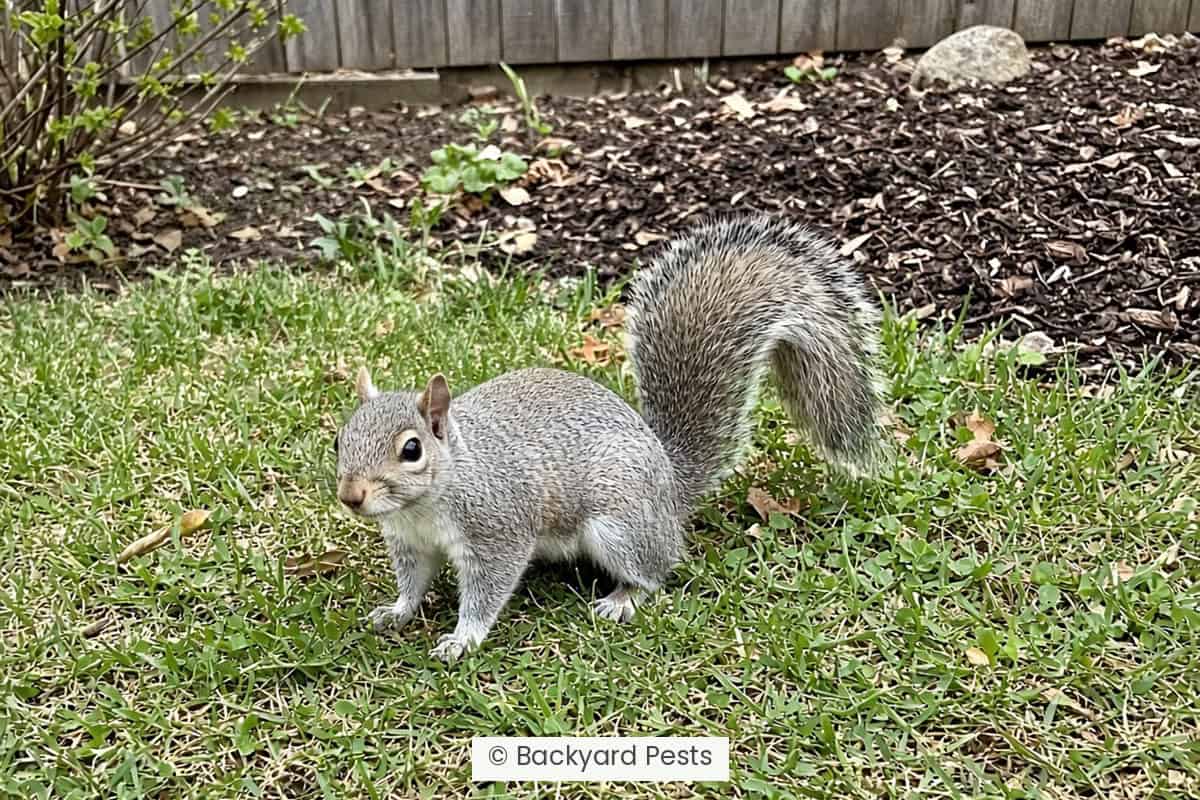
Food, first. Squirrels eat nuts, seeds, fruit, bulbs, and plenty of garden vegetables when those are easy to reach. A bird feeder is often the main invitation, especially if seed spills on the ground. Fallen fruit, a messy compost pile, and pet food left outside all do the same job. I keep a longer list of foods squirrels like to eat, and it’s a useful way to see your yard the way they do.
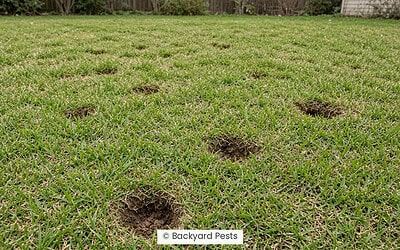
They’re also burying food. Those random holes in a lawn or a freshly mulched bed are often a tree squirrel caching nuts or coming back for them later, not a burrowing ground squirrel. If you’re dealing with true ground squirrels, the habits and the damage are different, and garden sprays alone usually won’t solve a burrow system.
Water and cover matter too, but if you only had a birdbath and no easy calories, you’d see far less digging in the tomatoes.
Do raised garden beds keep squirrels out?
Short answer: not by themselves. Squirrels climb, jump, and dig. A raised bed can even be a convenient table.
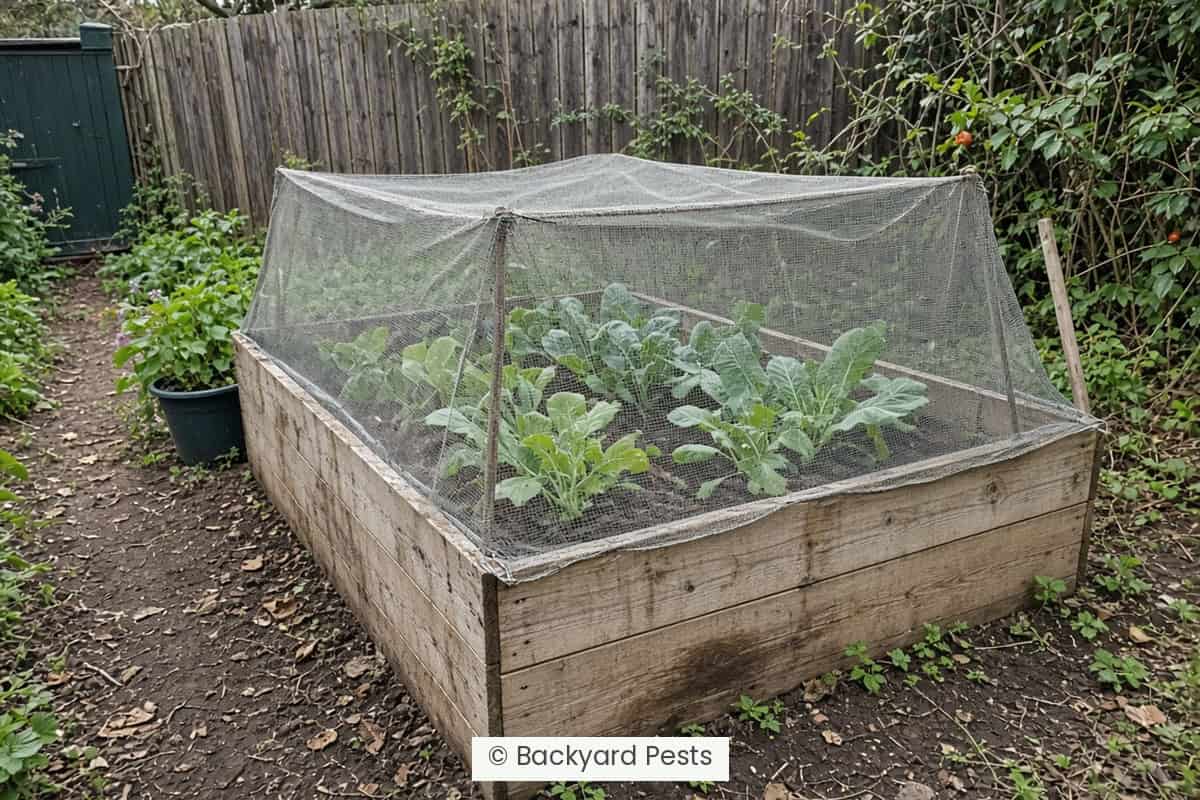
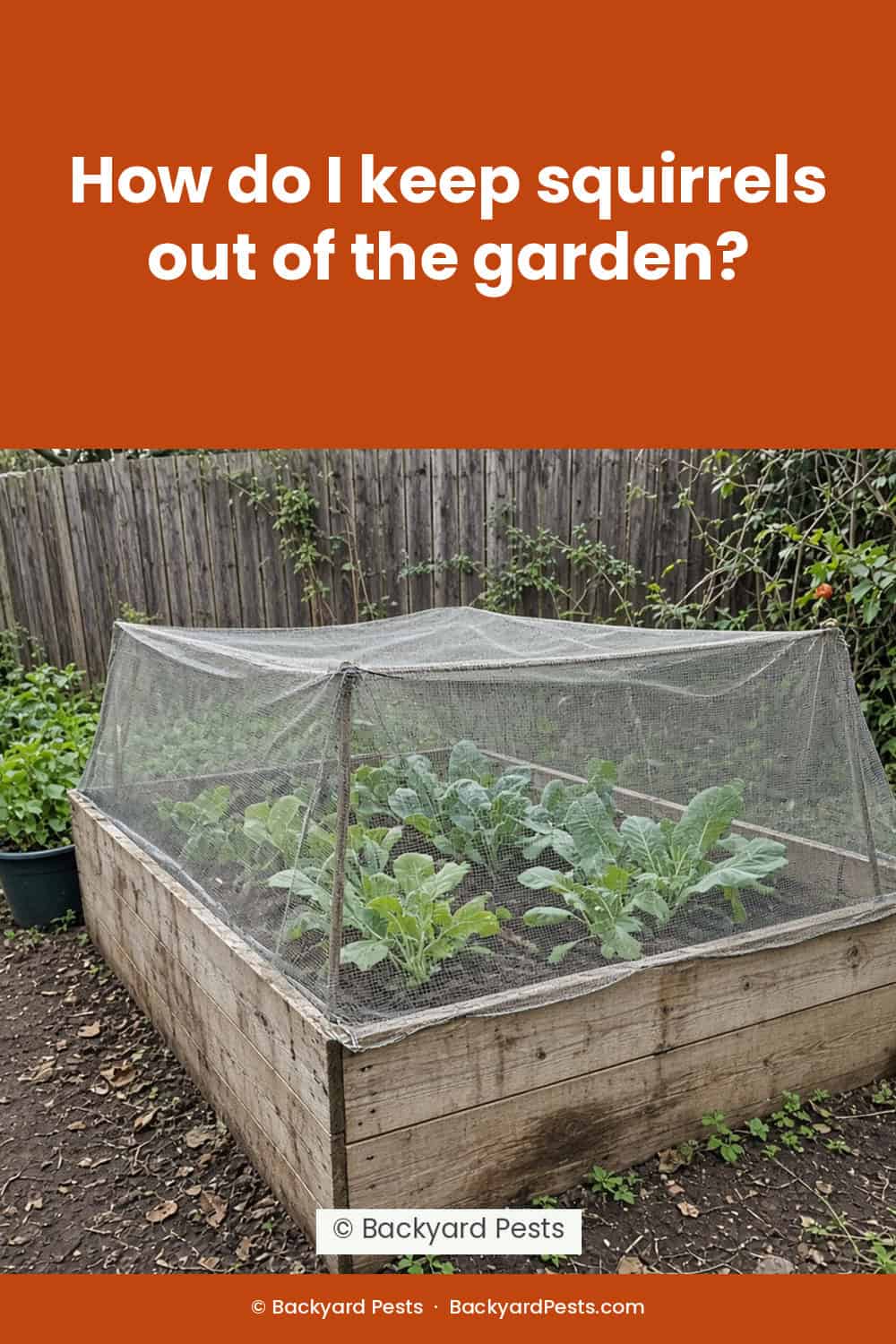
A raised bed helps when you add a barrier — a hardware-cloth bottom to stop digging from below, and a cover, hoop, or tight netting over the top while plants are most tempting. I walk through the limits of height alone in do raised garden beds keep animals out. Think of the bed as a frame to attach protection to, not as protection by itself.
How do I protect vegetables, tomatoes, and flower beds?
Physical barriers are the most reliable method in the garden. Extension services come back to this again and again, because squirrels get used to most other tricks.
For beds they’re digging in, lay ½-inch hardware cloth over the soil after planting, cut slits for the stems, and pin the edges down. Newly seeded lawns and beds can be covered the same way until the seed is up. For fruit, berries, and a row of vegetables, drape bird netting so it’s taut and secured at the base — if it’s loose, a squirrel will crawl under it and have a perfectly protected lunch. A taller garden netting fence can work around a whole plot if the bottom is pinned to the ground.
Tomatoes are a classic complaint: one bite, then the squirrel moves on to the next fruit. Cages and netting help more than a floating row cover that isn’t anchored. Harvest as soon as fruit colors up. If you’re not sure the night damage is a squirrel — squirrels usually feed in the day — compare it with what’s eating your tomato plants at night.
Bulbs, especially tulips and crocus, often get dug as soon as they’re planted in fall. A layer of hardware cloth an inch or two below the mulch, or a bulb cage, stops most of that. Daffodils and alliums are less tempting to many squirrels, which is why people use them as a border. I’ll come back to bulbs in more detail around planting season; the short version is “cover them, don’t just sprinkle pepper and hope.”
How do I keep squirrels out of the garden naturally?
“Naturally” usually means smells, taste sprays, and scare devices. Some of these help. None of them replace a barrier on a plant the squirrels are determined to eat.
Taste and smell repellents — especially capsaicin, the heat in hot peppers — can make leaves and fruit less appealing for a while. A ready-to-use option is Bonide Hot Pepper Wax animal repellent. A yard-and-garden spray labeled for squirrels is aimed at the same idea. You have to reapply after rain, and you should keep sprays off anything you don’t want tasting like pepper, including your own harvest if the label says so. For a full walk through of scents, including peppermint, cinnamon, coffee grounds, and predator urine, use 12 smells squirrels hate and how to use them. Coffee grounds come up a lot; they may help a little in a pot, and I also look at them in whether coffee grounds deter pests, but they are not a garden fence.
A motion-activated sprinkler startles squirrels with a sudden burst of water, and state wildlife agencies do list this kind of hazing as a useful tool. Move it now and then, or they learn the pattern. Fake owls, rubber snakes, and pinwheels usually work for a day or two, until the squirrels realize the owl never blinks.
Skip mothballs in the garden. They are a pesticide with a specific labeled use, and using them in soil or along a fence is off-label, often illegal, and a health problem for children, pets, and the plants themselves.
How do I keep squirrels out of the bird feeder so they leave the garden alone?
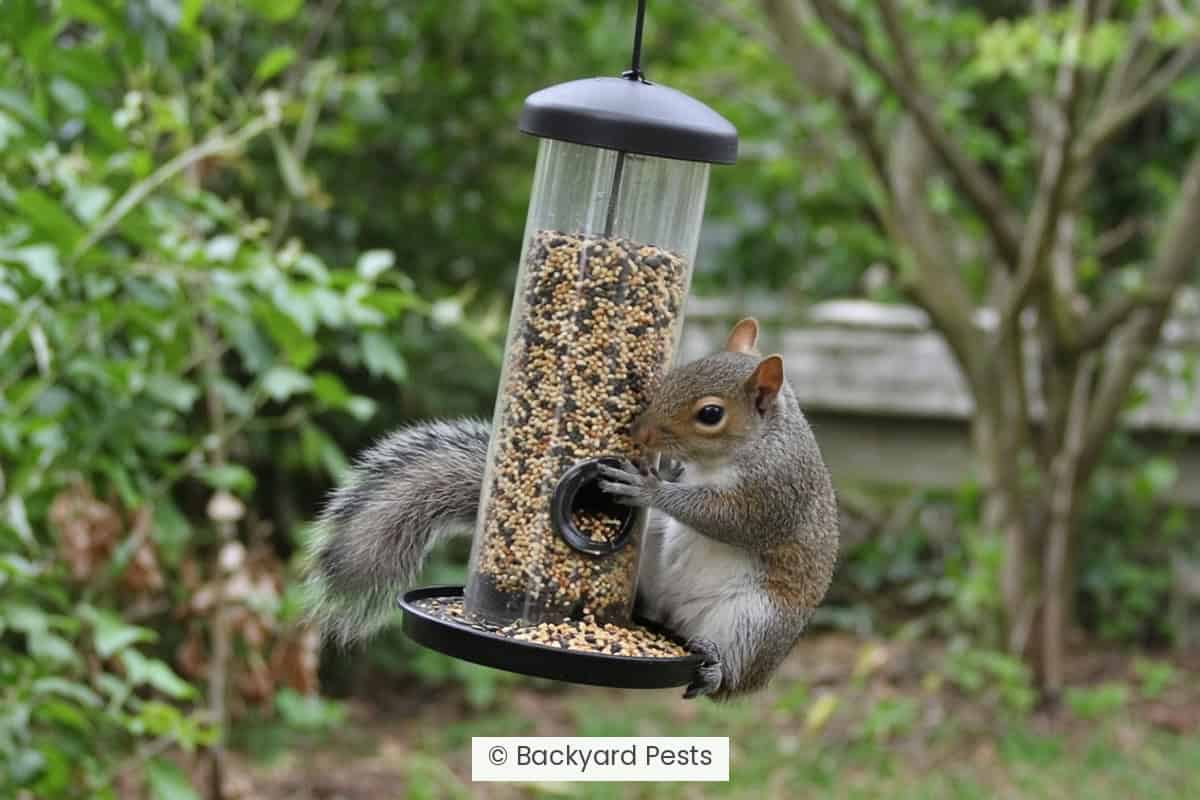
If the feeder is the magnet, fixing it often calms the whole yard.
The setup that holds up: a metal pole, a baffle on the pole, and the feeder placed well away from trees, fences, and the roof — wildlife agencies often suggest about 8 to 15 feet from any launch point, depending on the source. A squirrel-proof bird feeder that closes under a squirrel’s weight is worth more than a pretty hopper they can hang off. Some people have luck with safflower seed, which many squirrels like less than sunflower, or with cayenne on the seed (birds don’t taste capsaicin the way mammals do). Spilled seed on the ground will undo all of that, so a tray and regular sweeping matter.
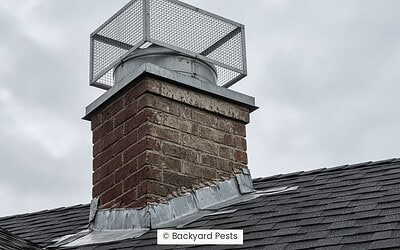
If squirrels are already using the feeder as a reason to visit the roof, take it down for a week or two while you seal the house. Here’s how to get rid of squirrels in the house if they’ve already moved indoors.
How do I stop squirrels from digging in the yard?
Most of those shallow, scattered holes are caches, not tunnels. You can fill them, lay hardware cloth or a temporary mesh over a new lawn or a prized bed, and remove the food source that’s making the yard worth burying things in.
A motion sprinkler helps on a freshly seeded patch. So does being consistent about fallen nuts and fruit. If the holes are true burrows with neat mounds and you see stocky squirrels that live on the ground, that’s a different animal than the gray squirrel in the oak, and garden netting won’t solve it on its own.
Squirrels can also strip bark and nip twigs, which is more of a tree problem than a vegetable-garden one. If that’s what you’re seeing, here’s what squirrels do to trees and when it’s actually serious.
Can I trap squirrels in the garden, or use poison?
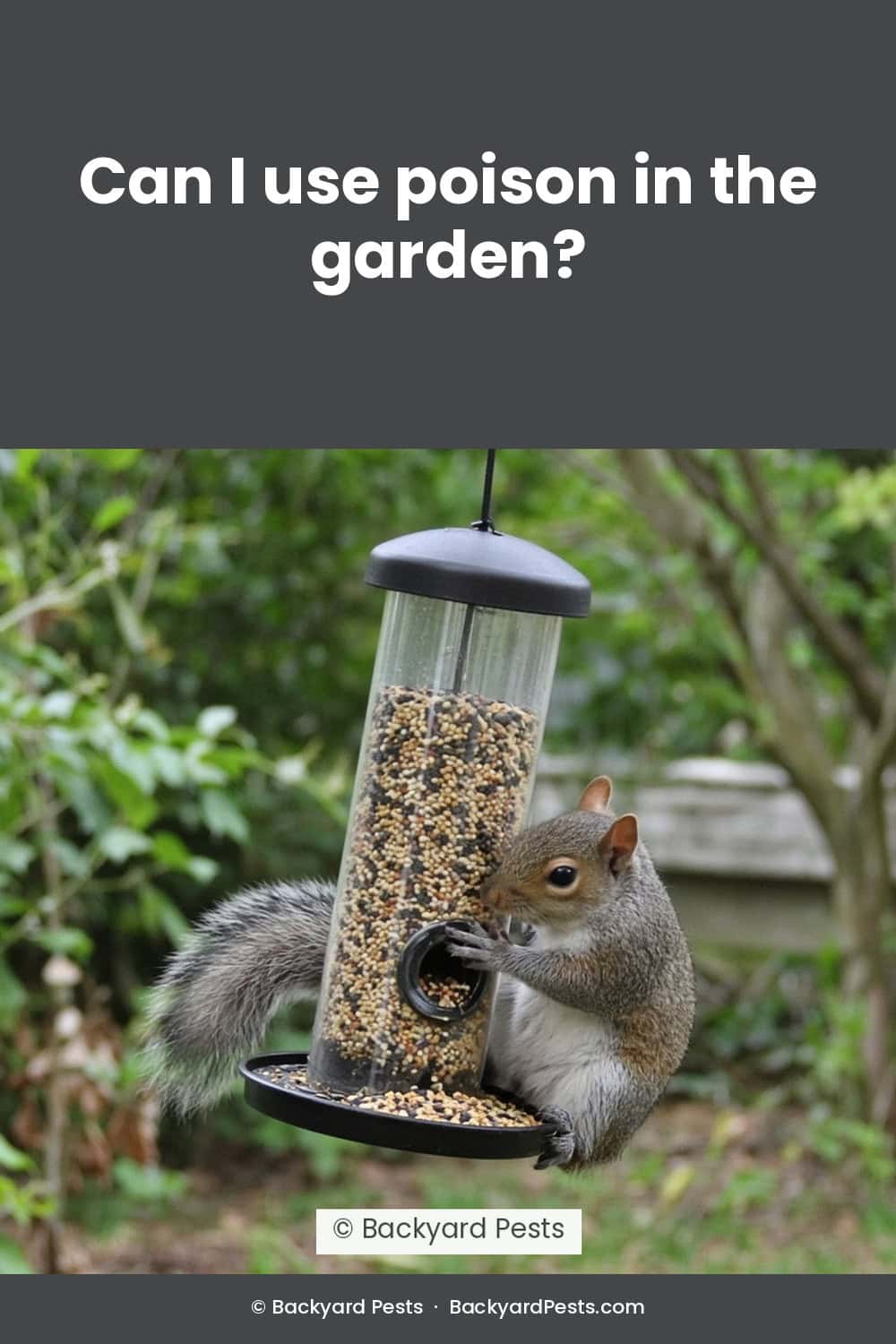
I wouldn’t start there, and in many places you shouldn’t.
Poison is a bad fit around a vegetable garden and around pets and birds of prey. A lot of rodent bait is not labeled for squirrels. Trapping may be legal, restricted, or banned depending on your state, and relocating a trapped squirrel is often not allowed. Check your state wildlife agency before you buy a cage. Exclusion and barriers still do more for a tomato patch than a trap at the edge of the yard, because another squirrel will move in if the fruit is still easy to reach.
If a squirrel is in a pot or a cold frame right now, you can usually shoo it off, cover the pot with mesh, or move the pot to a less convenient spot. Persistence is annoying, but the squirrel is doing a normal squirrel thing. The garden just has to be less convenient than the rest of the neighborhood.
Save this for later: pin this post so the barrier-first plan is here when the tomatoes start to color up.
Sources:
University of California Statewide IPM Program, Tree Squirrels
Penn State Extension, Tree Squirrels
Virginia Department of Wildlife Resources, Problems with Squirrels
Florida Fish and Wildlife Conservation Commission, Living with Squirrels
Wildlife Center of Virginia, Squirrels as Neighbors