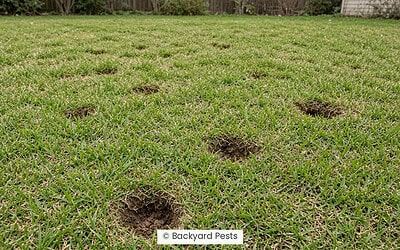
If you planted tulips or crocus in the fall and found the bulbs on top of the mulch the next morning, you’re probably trying to stop squirrels digging up bulbs before the whole bed disappears.
I looked at what extension services and wildlife agencies recommend for this exact headache, and the advice is refreshingly physical.
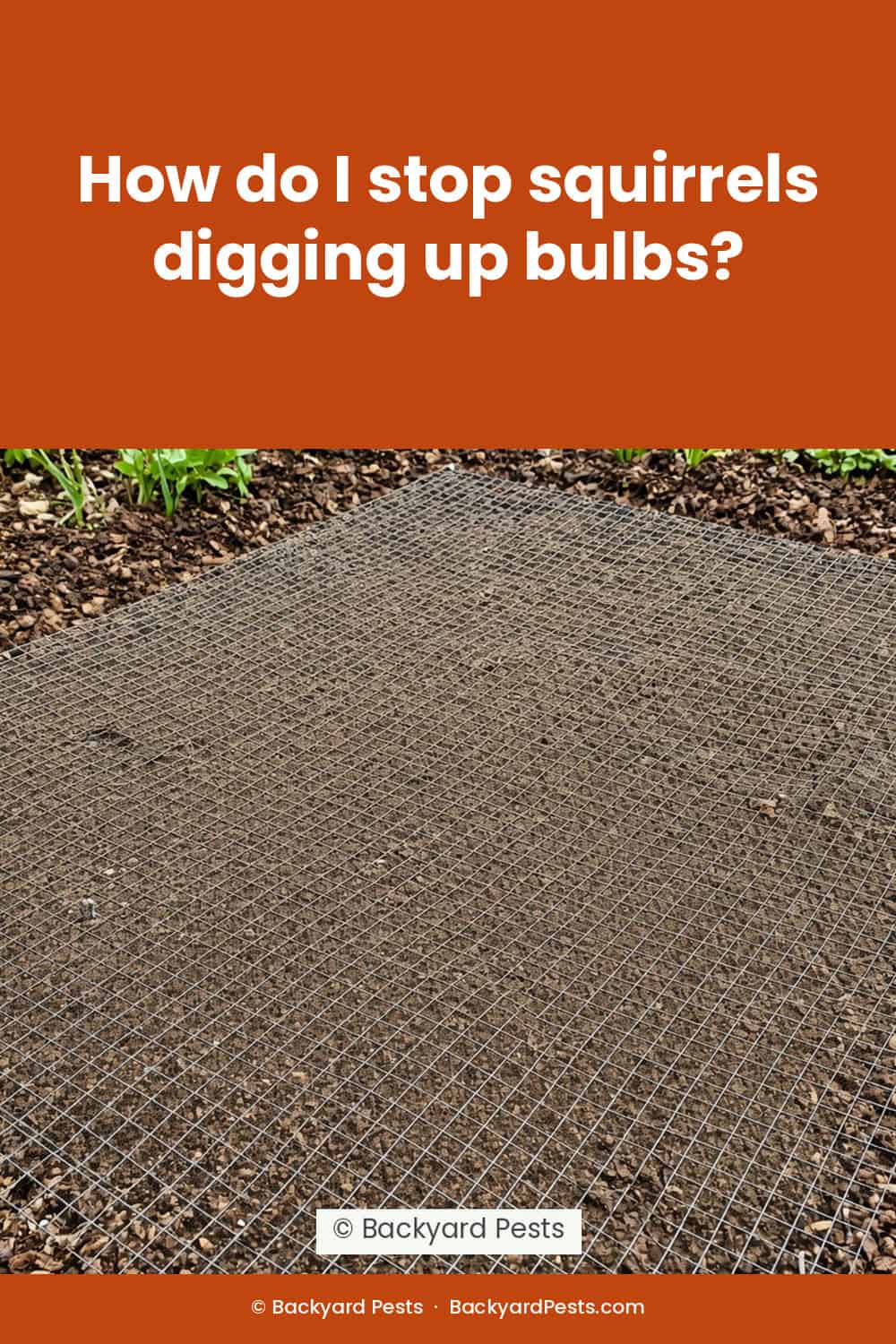
To stop squirrels from digging up bulbs, cover the newly planted bed with hardware cloth or a bulb cage, pinned tight at the edges, and put the mulch back on top. Taste repellents can help at the surface, but they wash off. Daffodils and alliums are much less appealing to most squirrels than tulips and crocus.
This is one of the most common fall garden complaints, and it lines up with squirrels caching food for winter, not with spite. Here’s how to protect a new planting, what to do if they’re already digging, and how this fits the rest of keeping squirrels out of your garden.
Why do squirrels dig up bulbs?
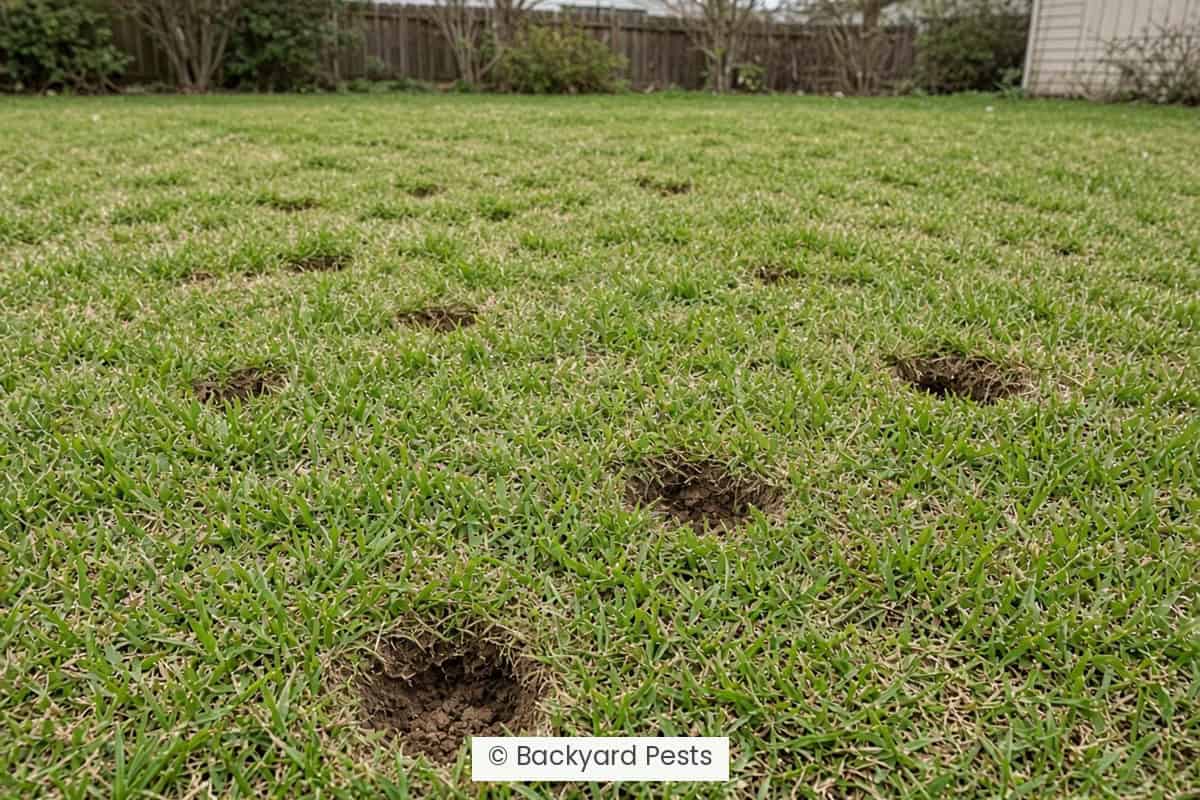
Two reasons, and they can both be true in the same bed. Some bulbs, especially tulips and crocus, are food. Squirrels will eat them or carry them off. Other holes are caches — a squirrel burying a nut or coming back for one it already hid — and a freshly turned, mulched bed is easy digging. That’s why a bed you planted yesterday is more interesting than a packed lawn.
You’ll usually see this in fall, right after planting, and again in spring when they’re hunting stored food. If slugs are your other suspect, the damage looks different: slugs rasp leaves and flowers more than they unearth a whole bulb. Here’s the damage slugs really do to bulbs if you’re trying to tell the two apart.
Will hardware cloth or chicken wire stop them?
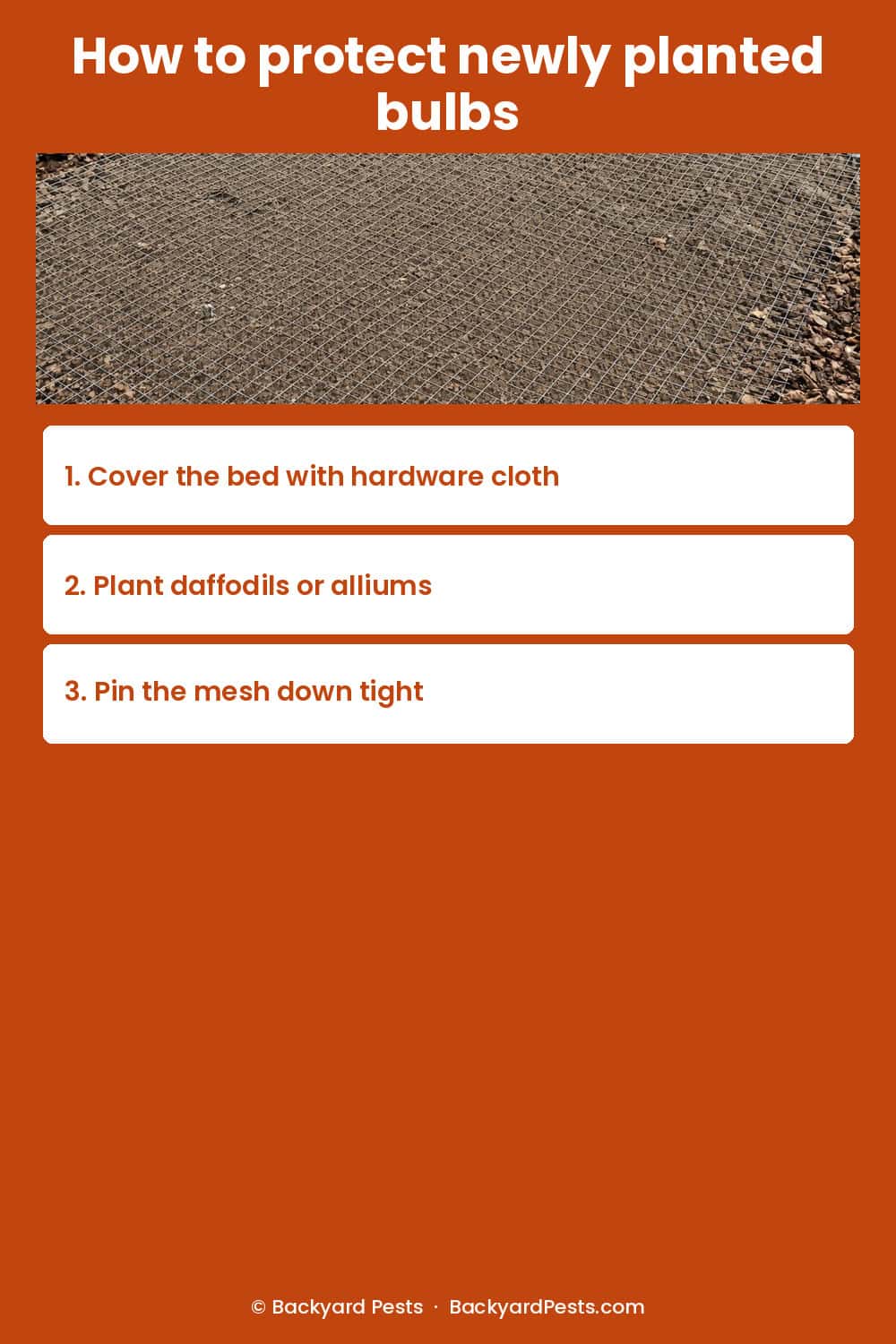
Yes, if you install it properly. This is the method I trust most, because it doesn’t depend on weather or on a squirrel’s mood.
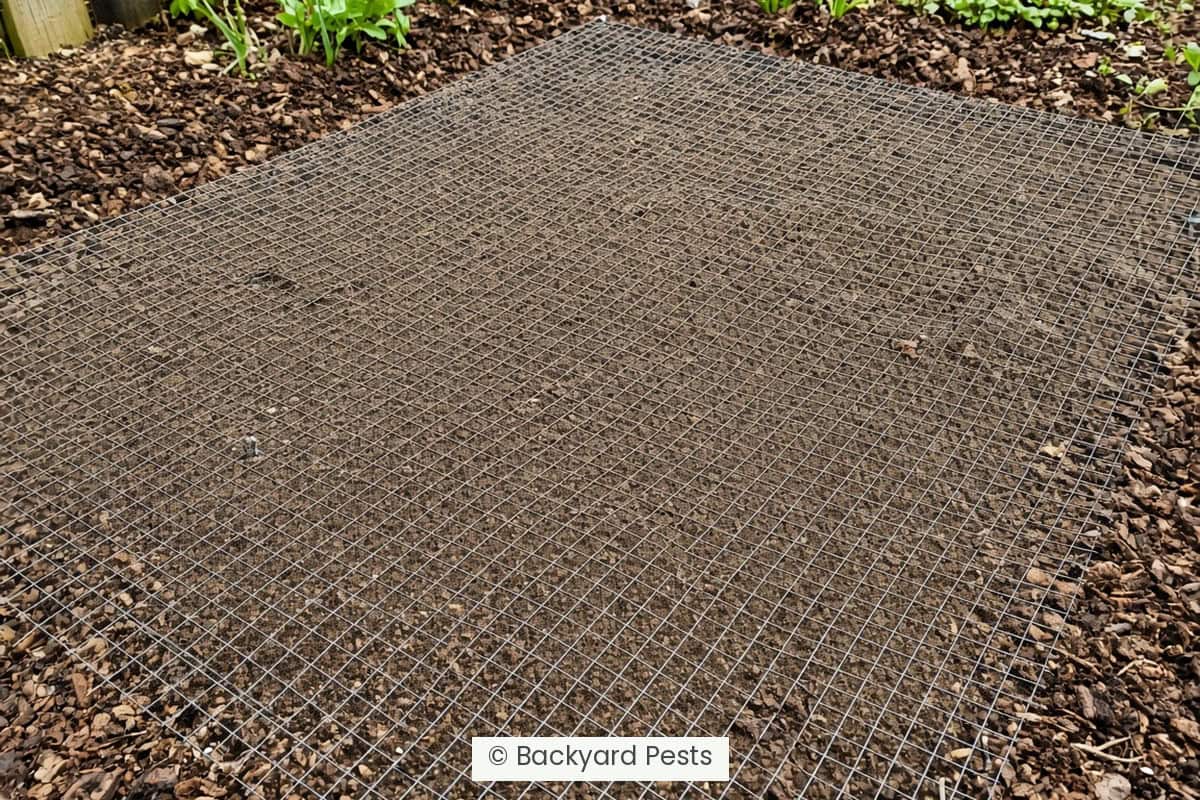
After you plant, lay ½-inch hardware cloth over the bed, an inch or two below the final mulch, or right under a thin layer of soil and then mulch. Pin or staple the edges so a squirrel can’t lift a corner. Leave it in place through the first season; in spring the shoots will find their way through ½-inch mesh. You can cut a slightly larger hole around a thick stem if needed, then drop the mesh back down.
A commercially made bulb cage works the same way for a small clump. Chicken wire with a wider mesh can help, but smaller hardware cloth is harder for a squirrel to reach through. Don’t leave a loose flap. That’s a door.
If you’re just about to plant, this is also the moment to think about which bulbs you’re putting in. There’s a full seasonal list in 13 bulbs to plant in fall and a bloom-time guide in when your bulbs will bloom in spring.
Do daffodils and alliums really get left alone?
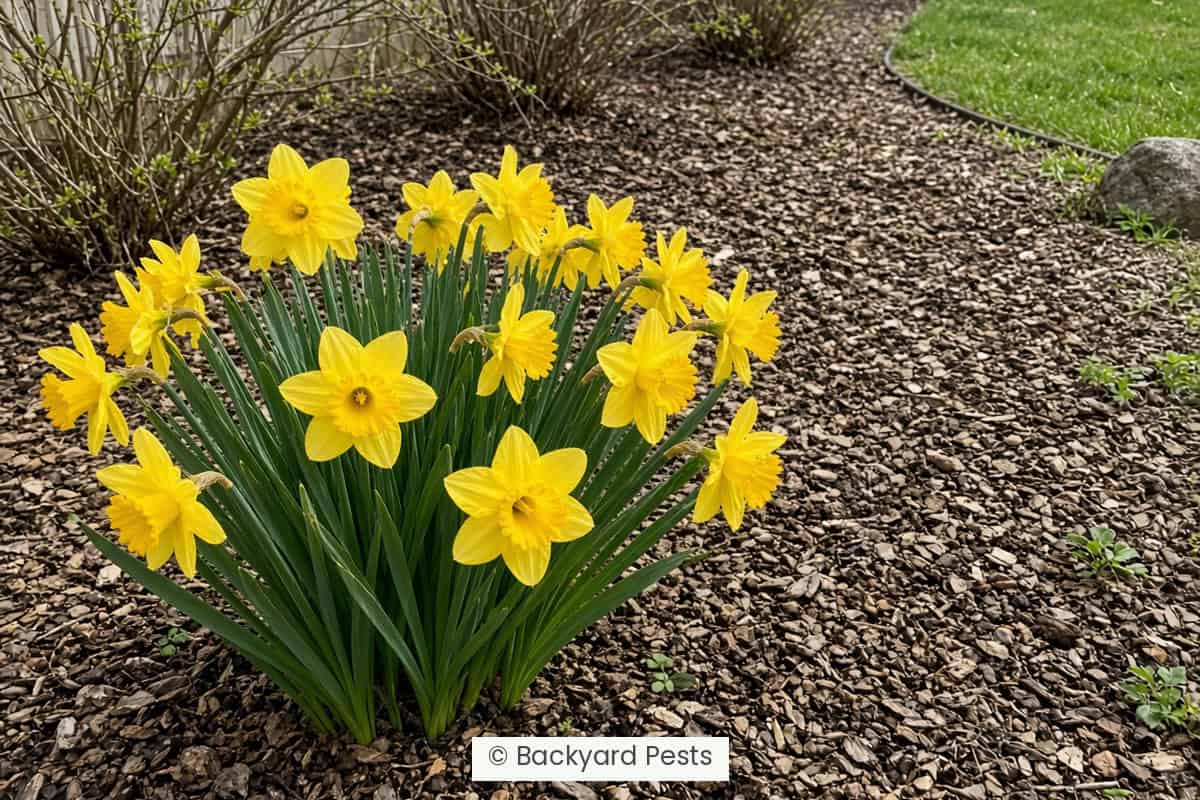
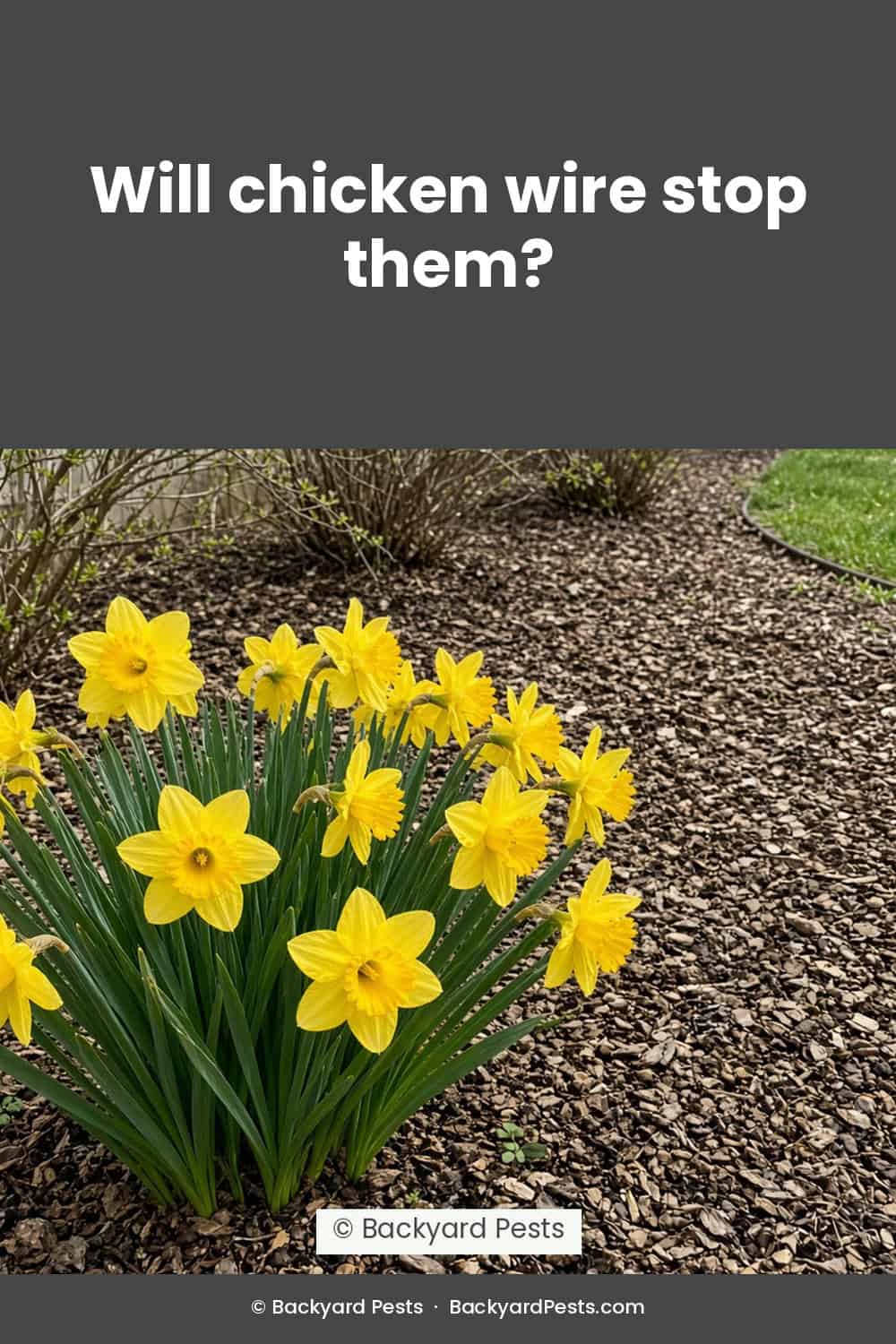
Often, yes. Montana Fish, Wildlife & Parks and other agencies note that squirrels love tulips and crocus, and that you may want to plant daffodils instead, which are unpalatable to most animals. Alliums (ornamental onions) have the same reputation. A border of daffodils or alliums won’t magically guard a bed of tulips in the middle, but a mixed planting is less of a total loss, and a bed that is mostly daffodils is usually a lot quieter.
If you want the look of an allium without relying on luck, you can still put hardware cloth over the top for the first season. Purple Sensation allium bulbs are one widely grown choice for early-summer blooms. Grape hyacinths are sometimes left alone too, though not as reliably as daffodils.
Do pepper sprays and other smells protect newly planted bulbs?
They can, as a top-up, not as the only defense. A capsaicin spray such as Bonide Hot Pepper Wax animal repellent on the soil surface may make digging less appealing until it rains. Reapply after wet weather. Other smells from the smells squirrels hate — including pepper, predator urine, and coffee grounds — get tried in bulb beds all the time. Some gardeners like them. They fade, and a determined squirrel will still dig.
Skip mothballs in the soil. They’re not labeled for this, they’re a health problem, and they don’t belong in a flower bed.
A motion-activated sprinkler can startle squirrels off a freshly planted bed in the daytime, which is when tree squirrels are active. Move it occasionally so they don’t learn the pattern.
What if they’ve already dug the bulbs up?
Replant what you can find, as soon as you can, at the right depth, and put the hardware cloth on before you walk away. If the bulbs have been chewed, they’re unlikely to bloom well; replace those. Then cover the whole bed, not just the one hole, because the next squirrel will test the rest of the mulch.
If the same animals are also raiding a feeder or the vegetable garden, fix those invitations too. A bulb bed next to a overflowing bird feeder is swimming upstream. Keep the barriers in place at least until the soil settles and spring growth starts. Next fall, put the mesh down on planting day, not the morning after the first raid.
Save this for later: pin this post so the hardware-cloth step is here the next time you plant tulips in the fall.
Sources:
Montana Fish, Wildlife & Parks, Living With Tree Squirrels
Florida Fish and Wildlife Conservation Commission, Living with Squirrels
University of California Statewide IPM Program, Tree Squirrels
Virginia Department of Wildlife Resources, Problems with Squirrels