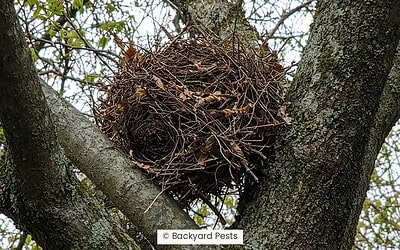
If a squirrel ran at you, bit a pet, or is nesting in the attic, you’re probably wondering whether squirrels are actually dangerous, or just a nuisance.
I looked at what the CDC and wildlife agencies say, because this is a place where rumors run ahead of the evidence.
Healthy squirrels are rarely a serious danger to people, but they can bite if they feel cornered or if they’ve been fed by hand, and their droppings and nests in a house should be cleaned up carefully. Rabies in squirrels is rare in the United States, and small rodents have not been known to transmit rabies to humans — but a bite should still be checked by a doctor or public health department.
Take the animal seriously without panicking. Here’s what the health guidance actually says, and when you should get help.

Do squirrels bite people?
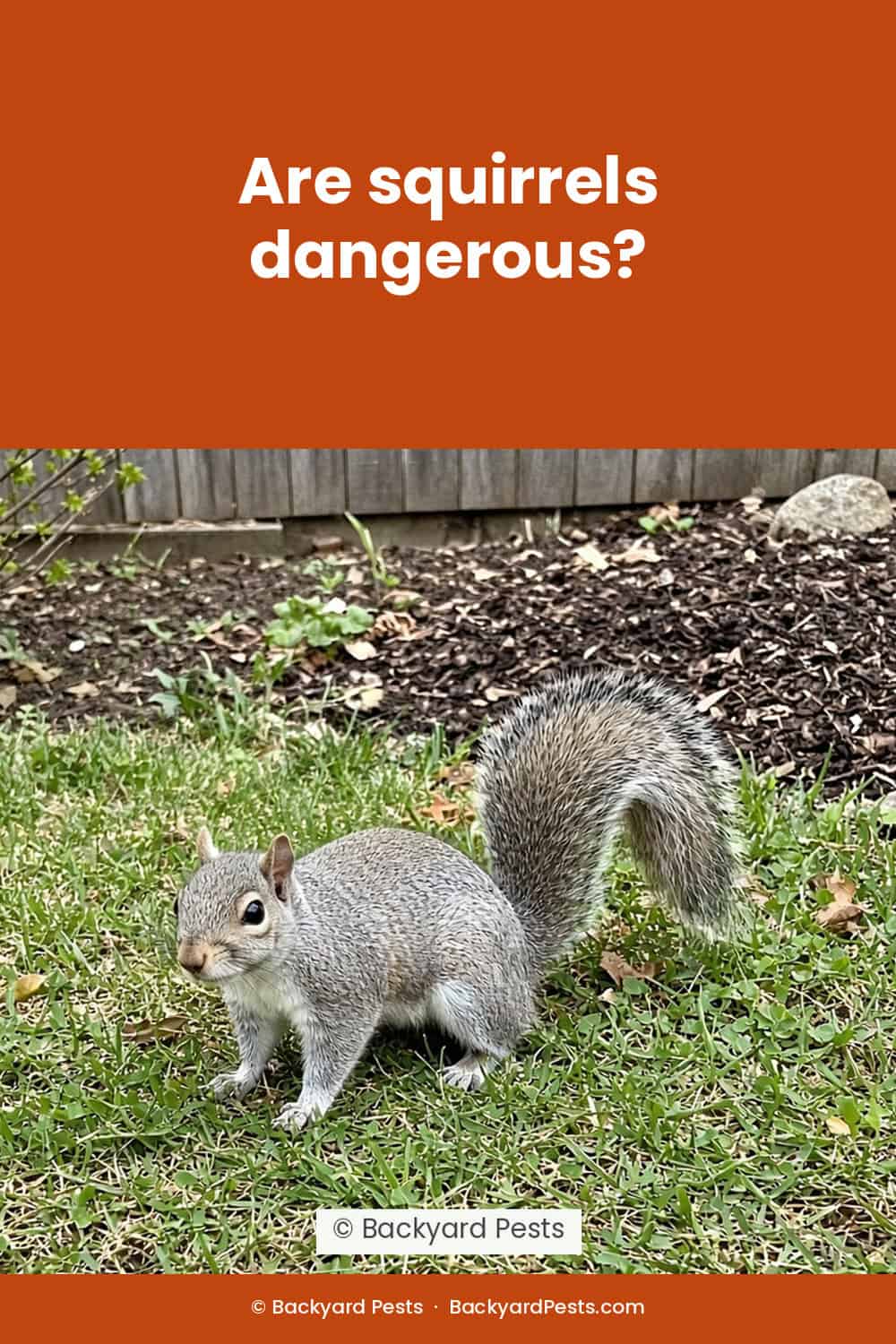
They can. A wild squirrel that has a way out will usually run. Bites happen when someone tries to handle, corner, or hand-feed a squirrel, or when a “tame” backyard squirrel has learned that hands mean food. A squirrel that comes up to you may look charming, and it’s also the one most likely to nip. I talk about that bold stare in why a squirrel stares at you.
If you are bitten, wash the wound with soap and water and contact a healthcare provider or your local public health department. Don’t try to decide the risk yourself based on how the squirrel looked.
Do squirrels carry rabies?

Rarely. The CDC’s rabies guidance, including the Advisory Committee on Immunization Practices, has long said that small rodents — it lists squirrels, chipmunks, rats, and mice among them — are almost never found to be infected with rabies and have not been known to transmit rabies to humans in the United States. Studies of rodents submitted for testing find very few rabid squirrels; when rabies shows up in rodents, it is much more often in larger species such as groundhogs.
That is not the same as “never see a doctor.” Public health departments still want to hear about bites, especially if the squirrel was sick, unusually tame, or attacking without a reason. Don’t trap or kill a squirrel just to “test it” without talking to the health department first about whether testing is even appropriate.
A squirrel that is staggering, paralyzed, unusually aggressive, or out in the open and unafraid of people is not “friendly.” Give it space and call local animal control or public health.
Are squirrel droppings or nests a health risk?
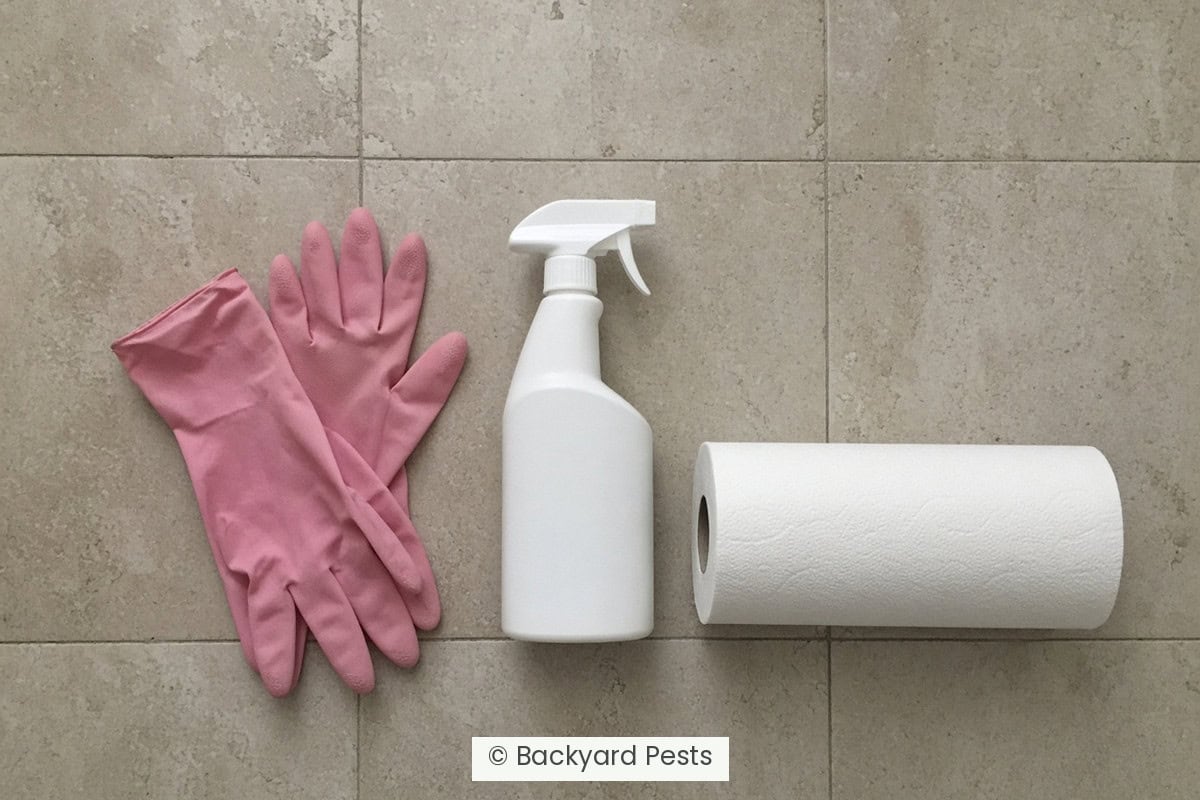
Any rodent mess in a house deserves a careful cleanup. The CDC’s method is to put on gloves, wet the droppings and nesting material with a disinfectant, wait, and wipe them up — not to sweep or vacuum them dry. That’s the same approach I use as a starting point in house cleanups, and the official steps are in the CDC’s How to Clean Up After Rodents.
Hantavirus pulmonary syndrome in the United States is associated with certain wild mice, especially the deer mouse, not with squirrels as the usual source. That doesn’t mean you should be careless with attic insulation or a heavy pile of droppings. Clean them up the careful way, and see a doctor if you feel unwell after a messy cleanup.
Squirrels can also carry fleas, ticks, and mites (including the mites that cause mange, which makes a squirrel look bald and scruffy). Those are more of a wildlife and pet issue than a common reason people get seriously ill, but it’s one more argument for not handling a sick squirrel.
Are squirrels dangerous to dogs, cats, or kids?
A chase across the yard is the usual story, and the squirrel usually wins. A cornered squirrel can scratch or bite a dog or cat. If a pet is bitten, call your veterinarian. Keep children from trying to feed or pick up backyard squirrels, even the “friendly” one by the patio.
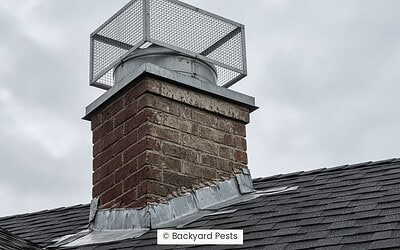
The bigger household risk is usually the damage, not an attack: chewed wiring, a nest in the attic, or a fall down the chimney. If they’re already in the house, use the exclusion steps rather than trying to catch one with your hands.
A wild squirrel belongs outside. Watching them is fine. Feeding them until they’re bold, or trying to raise a baby without a license, is how a curiosity turns into a bite. If you need help with an injured animal, go to a licensed rehabilitator, not a cardboard box in the garage.
Save this for later: pin this post so the bite and cleanup advice is here if a squirrel ever gets too close.
Sources:
US Centers for Disease Control and Prevention, About Rabies
US Centers for Disease Control and Prevention, Human Rabies Prevention — United States, 1999 (ACIP)
US Centers for Disease Control and Prevention, How to Clean Up After Rodents
US Centers for Disease Control and Prevention, About Hantavirus