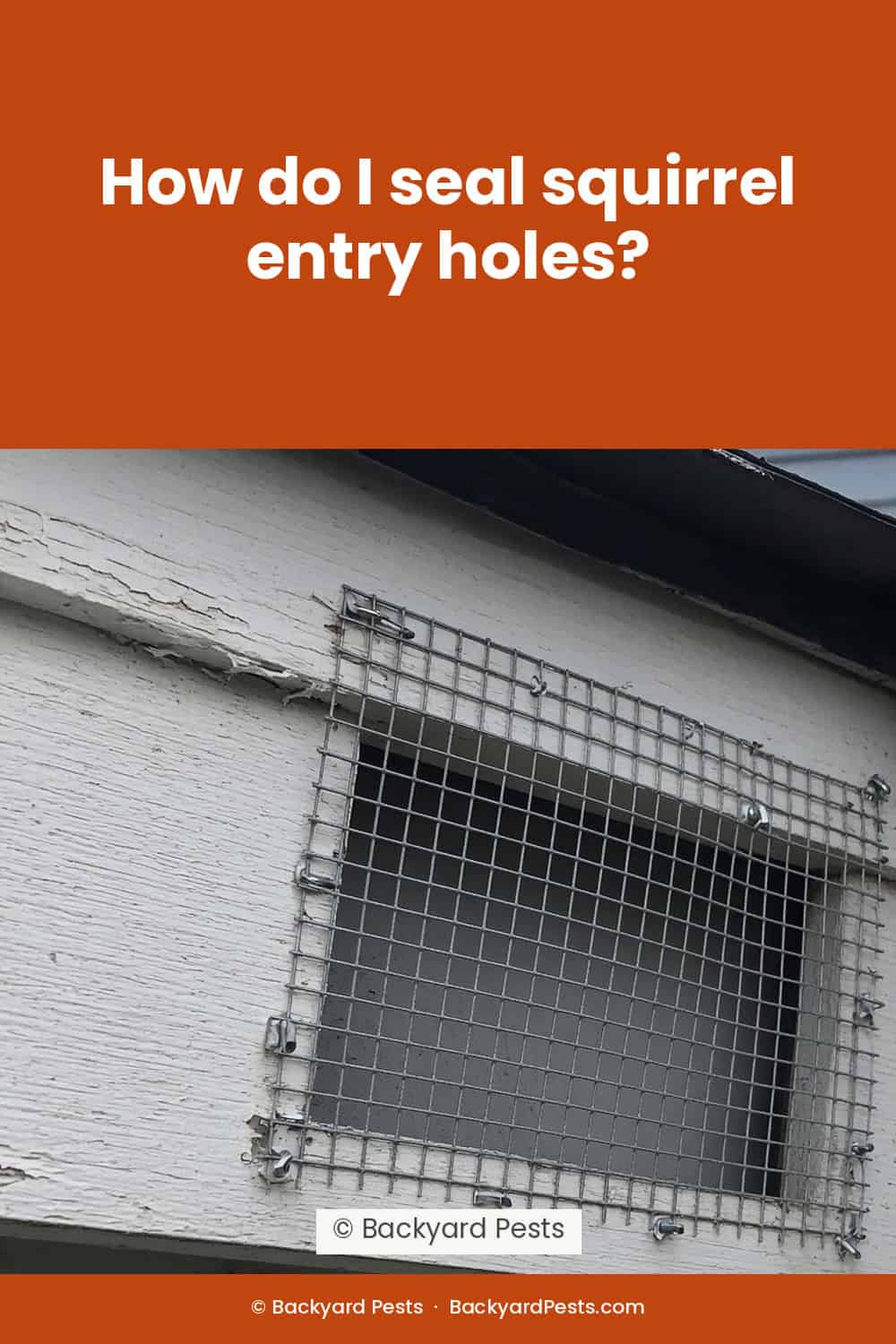
If you’ve found a chewed hole in the soffit, a torn vent, or a gap along the fascia, you’re probably wondering how to seal a squirrel entry hole so they can’t chew it right back open.
I looked at what extension services recommend for materials, and the list is shorter than the hardware-store aisle would suggest.
Seal squirrel entry holes with metal — flashing, hardware cloth, or a proper vent or chimney cap — and only after the squirrels are out. Spray foam, wood patches, rubber, plastic vents, and steel wool used on their own will not hold up. A squirrel needs about a 1½-inch opening, and it will make a smaller weak spot bigger.
The seal is the last step, not the first. Evict first, then patch. That order is the heart of how to get rid of squirrels in the house, and of getting squirrels out of the attic. Here’s what to use, what to skip, and how small a hole you actually have to worry about.
What can squirrels not chew through?
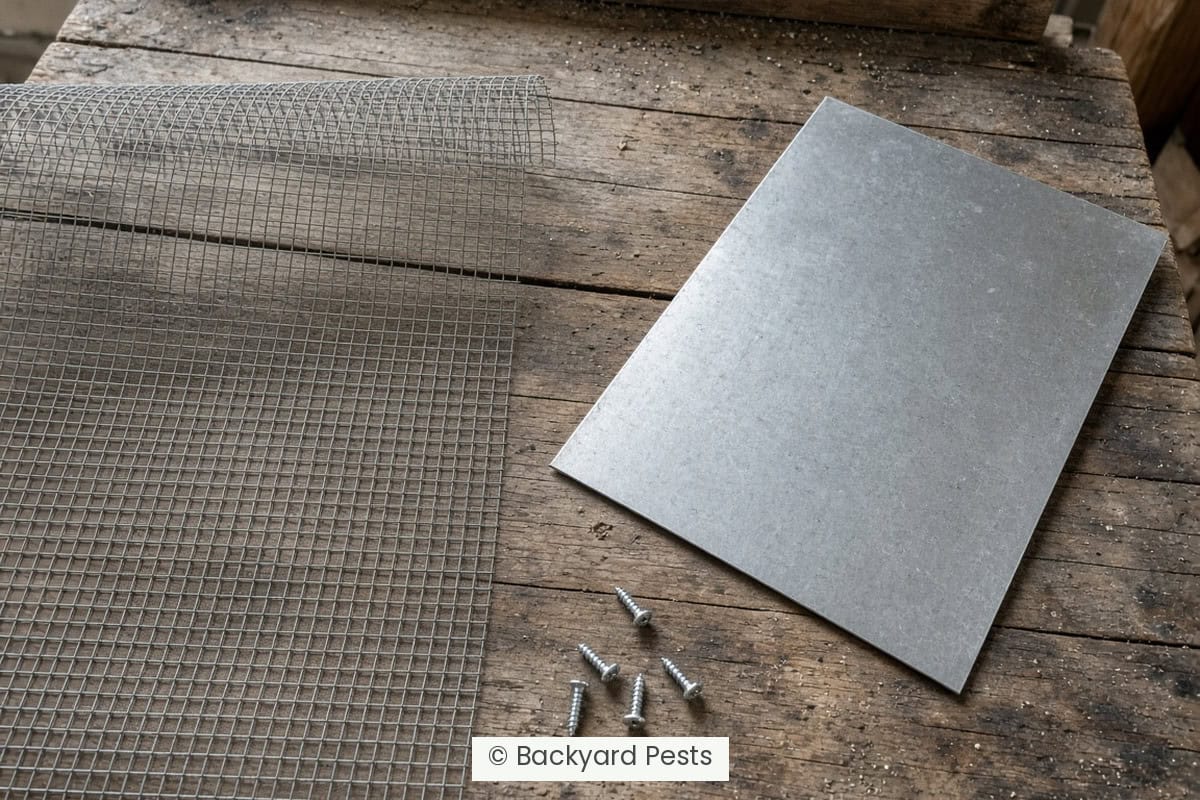
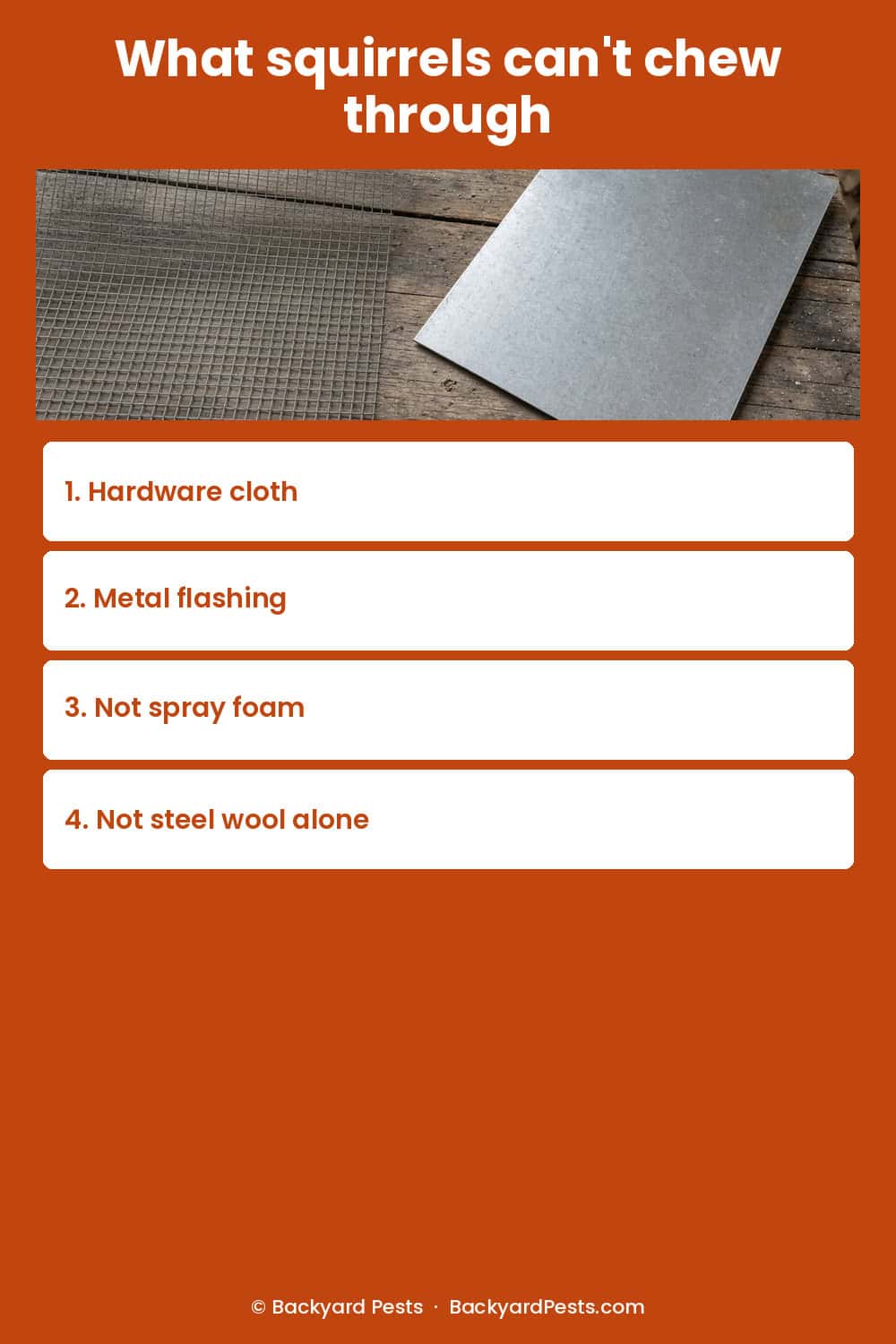
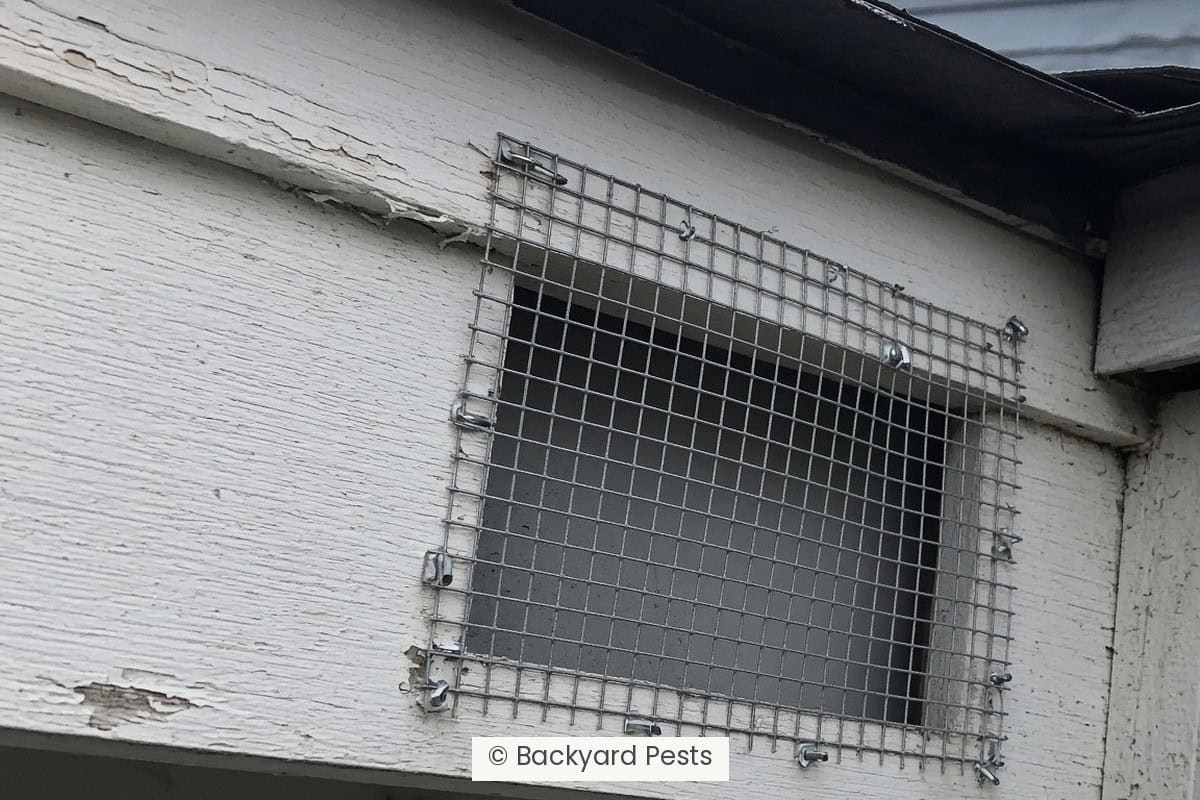
Metal. Heavy-gauge aluminum or steel flashing, hardware cloth, and well-fitted metal caps and vent covers are the materials wildlife agencies want you to use. Squirrels’ front teeth never stop growing, so they test anything soft or crumbly — wood, plastic, rubber, caulk, and foam included.
Aluminum roll flashing is the workhorse for a chewed soffit, a gap along the fascia, or a hole beside a pipe. Fasten it so the edges lie tight and there’s nothing to pry. ½-inch hardware cloth is better for vents, openings you still need air through, and larger chewed areas. An aluminum sheet can cover a bigger ruined board. Narrow copper or metal flashing tape can help along a thin joint, as long as it isn’t the only thing over a real hole.
How small a hole can a squirrel fit through?
About 1½ inches, give or take, for a gray squirrel — much bigger than the quarter-inch gap a mouse can use. Flying squirrels are smaller and can use a tighter opening. Don’t measure a hole and decide it’s “too small to matter” if the wood around it is already chewed or rotten. They enlarge weak spots, which is why a loose plastic vent cover or rotted fascia is such a common starting point. I walk through those places in how squirrels get on and into your roof.
Will spray foam, steel wool, or rubber flashing stop a squirrel?
Not on their own. Spray foam is easy and tempting, and squirrels chew through it. Rubber flashing and plastic vent covers fail the same way. Steel wool and copper mesh are useful against mice, but a squirrel can hook them and pull them out. If you like the idea of stuffing a gap, pack the mesh and then cover it with a metal patch so it can’t be raked loose.
Caulk is for hairline seams around a metal patch, not for the hole itself. Wood filler and scrap lumber are temporary at best, unless you cap them with metal too.
Do I seal first, or evict first?
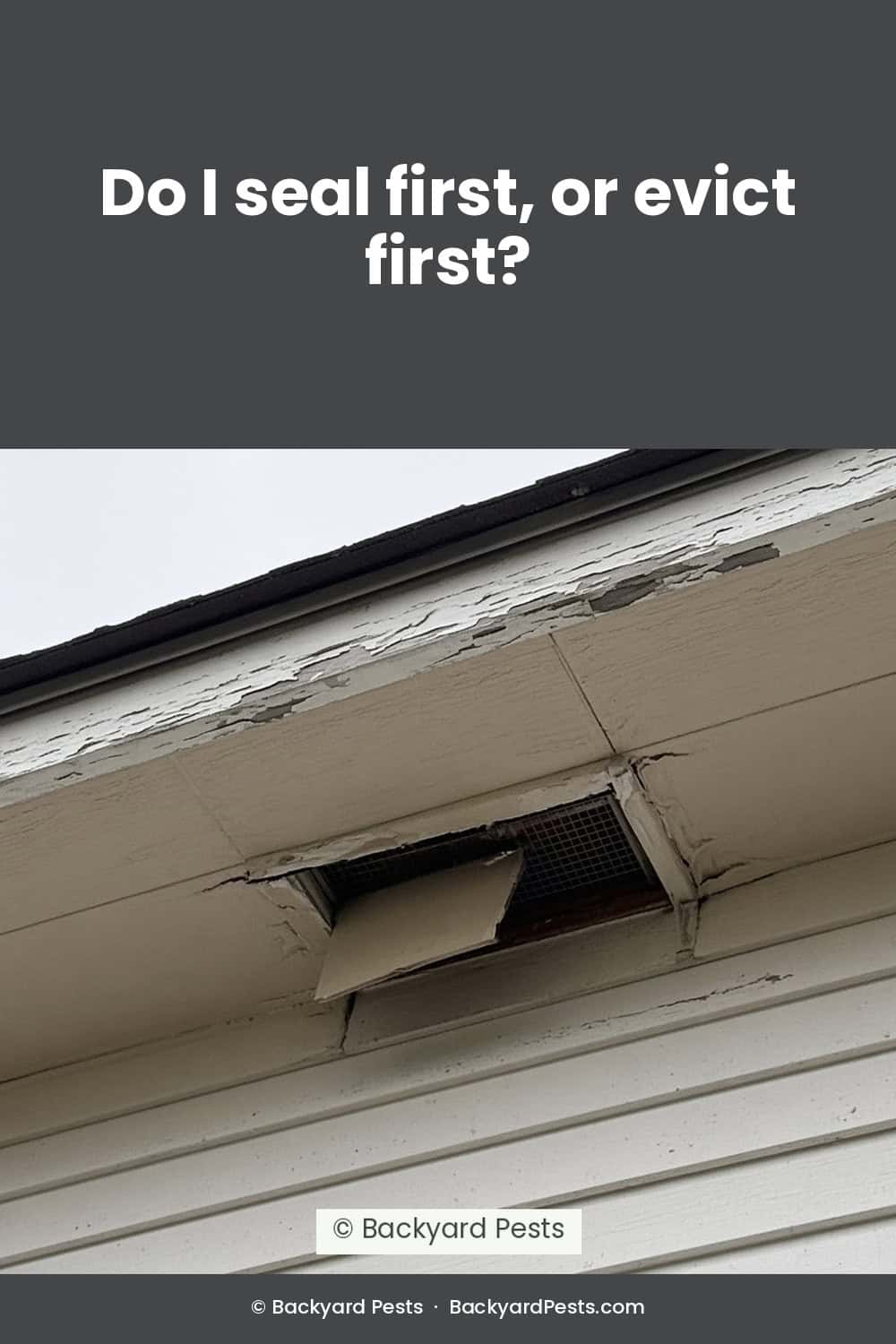
Evict first. If you close the last hole while a squirrel is inside — or while babies are in the nest — the adult will often chew a new opening to get in or out. That’s how one hole becomes three. In nesting season, waiting is part of the job.
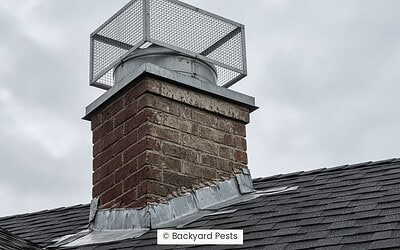
The usual sequence: find every opening, close the extra ones with metal, put a one-way squirrel exclusion door on the main exit, wait until the activity stops, then seal that last hole too. A chimney gets a cap after the flue is empty. Dryer vents, gable vents, and soffit vents get hardware cloth or a metal cover that still lets air move.
How do I seal a soffit, vent, or fascia gap?
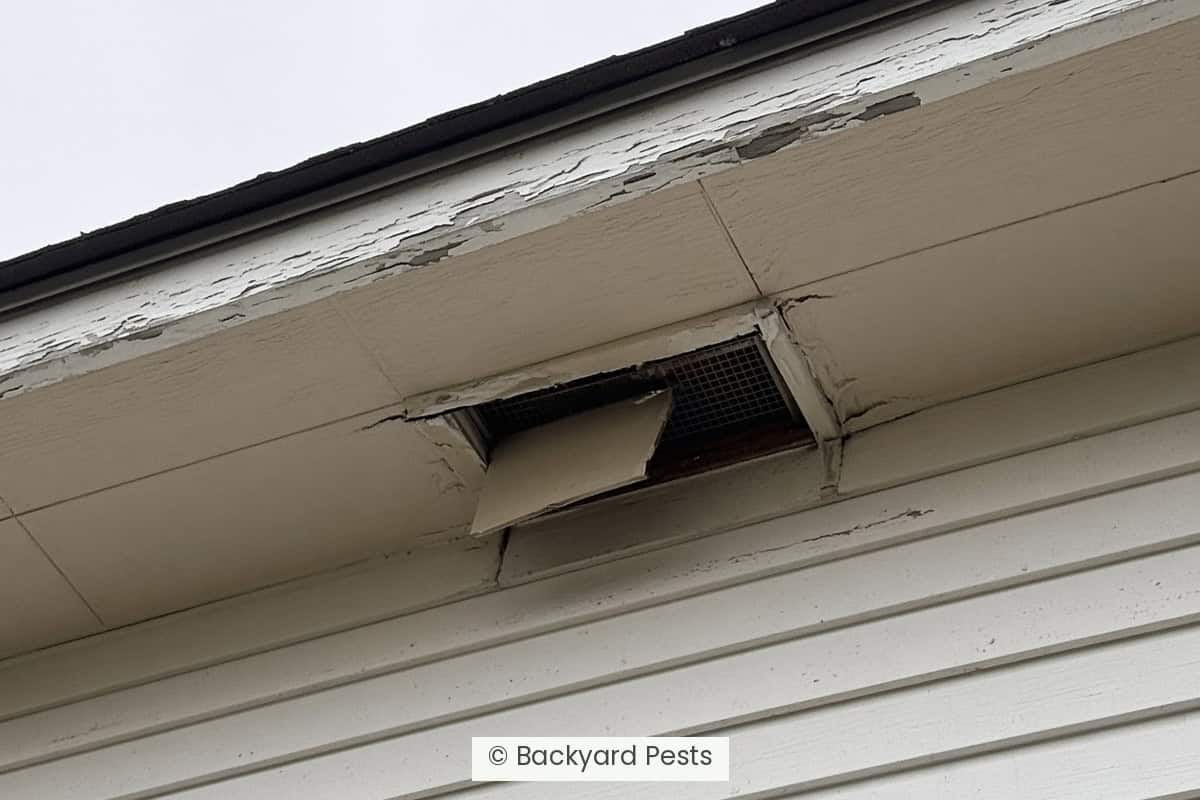
Start from the outside, in daylight. Pull away loose, rotten wood so you’re fastening into something solid. Cut flashing or hardware cloth larger than the hole, wrap it around corners where you can, and screw or nail it tight. On a vent, the screen should be on the opening, not draped loosely over the louver.
Then cut off the easy routes back to that spot: trim branches so they can’t jump to the roof, and slide a smooth PVC sleeve over cables they use as a runway. A wide band of aluminum around a trunk they climb can stop that launch point, with room for the tree to grow. Smells from the smells post can go around a new patch as a minor deterrent. They are not the patch.
If you’re not comfortable on a ladder, or the damage is along a long run of soffit, a carpenter or a licensed wildlife control operator can do the metalwork after the animals are out. A tidy metal repair lasts. A foam shot from the attic usually doesn’t.
Save this for later: pin this post so the “metal, not foam” rule is here when you’re at the hardware store.
Sources:
University of California Statewide IPM Program, Tree Squirrels
Penn State Extension, Tree Squirrels
Wildlife Center of Virginia, Squirrels as Neighbors
Florida Fish and Wildlife Conservation Commission, Living with Squirrels