If something is burrowing in the lawn or the levee, and people keep telling you to “seal the attic,” you may be dealing with ground squirrels — which are a different animal from the tree squirrel on the bird feeder.
I looked at the University of California’s IPM guidance and other extension advice, because this is one place where the usual backyard-squirrel tips fall short.
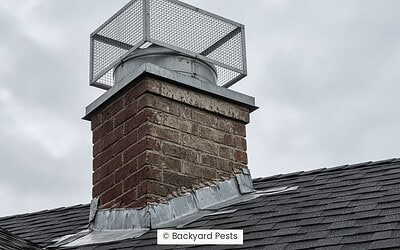
To get rid of ground squirrels, first make sure that’s what you have — a burrowing squirrel with a colony of holes, not a gray squirrel burying nuts. Then use the methods meant for burrow systems, within your state’s rules. One-way doors on a soffit, peppermint oil, and attic exclusion will not solve a ground-squirrel problem.
This post is for the western and midwestern yards where ground squirrels are the real pest. If your problem is a nest in the roof, go back to getting squirrels out of the house.
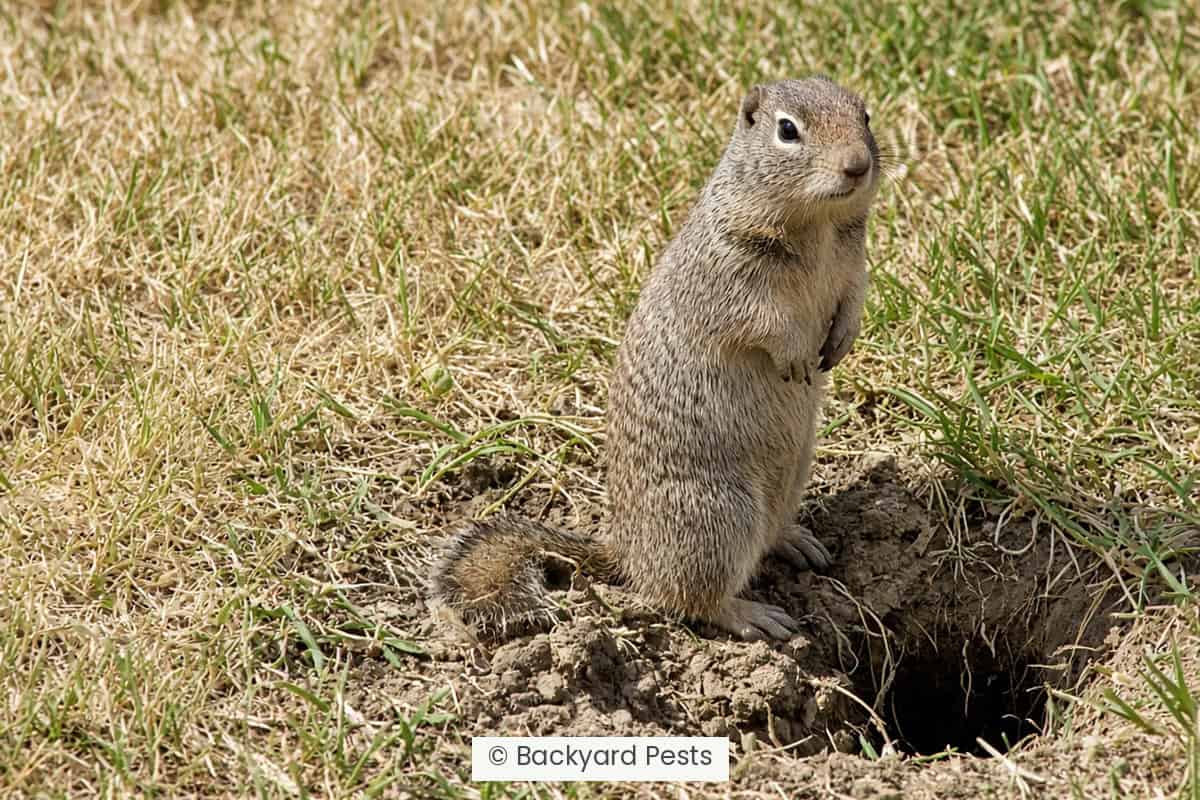
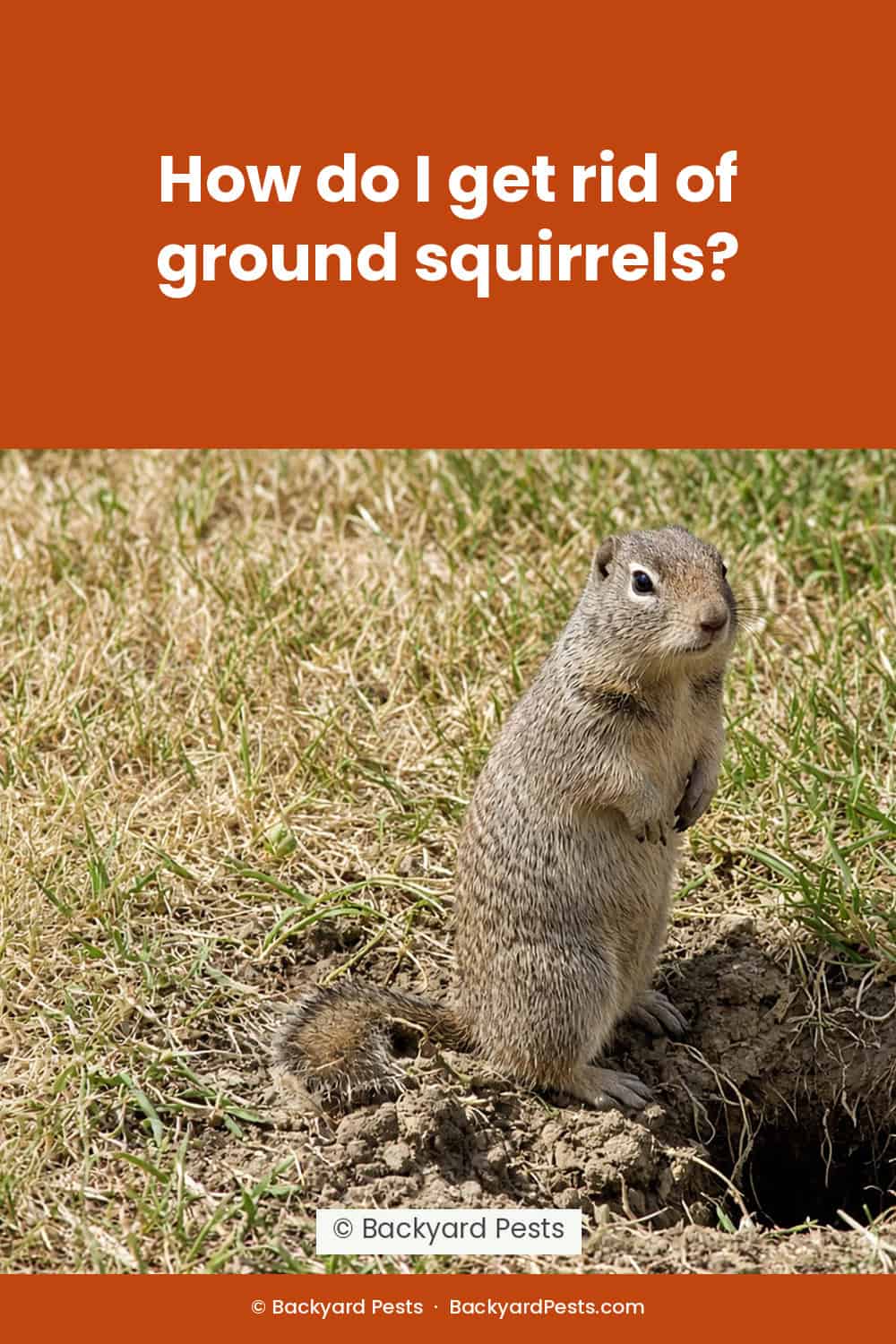
How is a ground squirrel different from a tree squirrel?
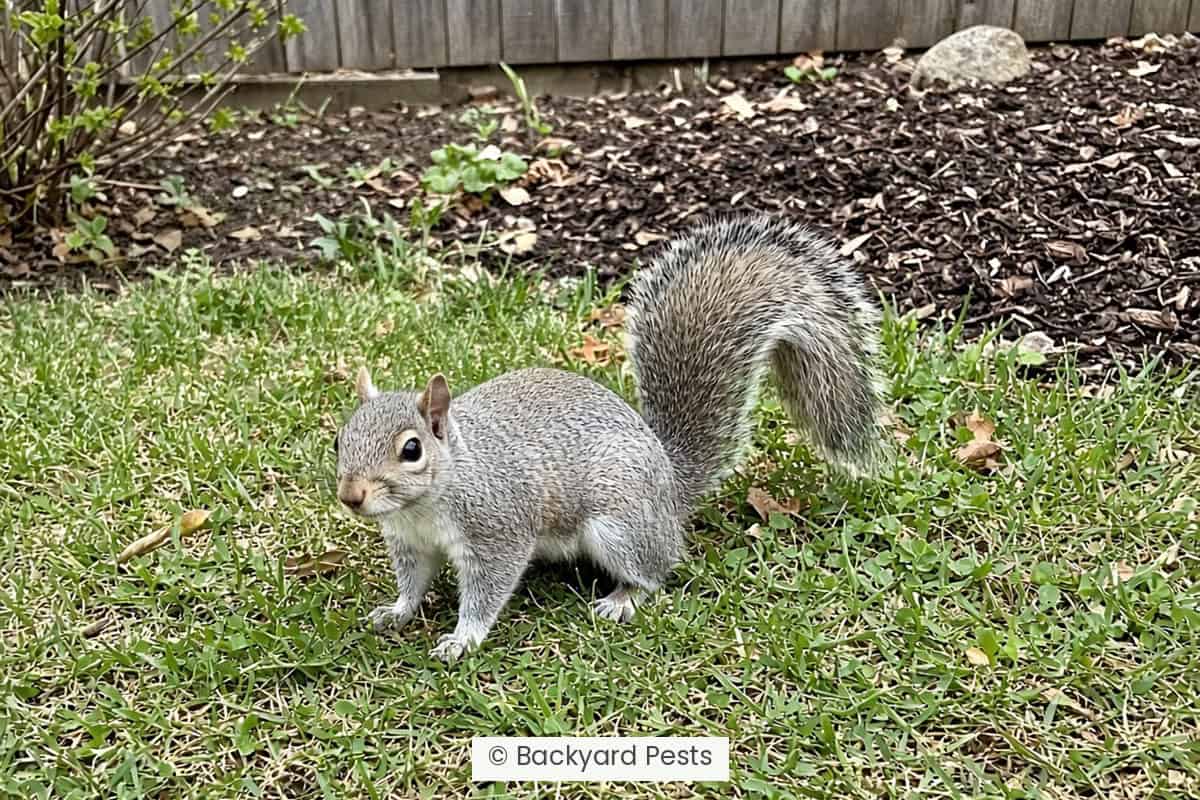
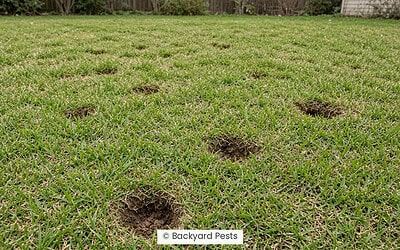
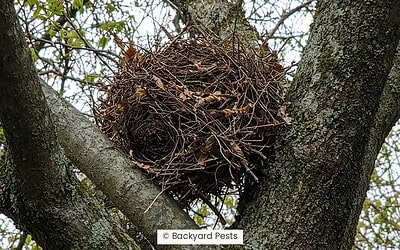
Tree squirrels — gray, fox, red, and flying squirrels — live in trees or in buildings, and they bury food in scattered holes. Ground squirrels live in burrows in the soil, often in groups, and the holes are true tunnels with mounds of dirt, not little cache pits. California ground squirrels are the ones UC IPM writes about most, but other ground-squirrel species cause similar damage in other states.
They look more like a chunky squirrel that stays on the ground, with a less bushy tail than a gray squirrel. People also mix them up with gophers, chipmunks, and groundhogs. Gophers stay mostly underground and leave fan-shaped mounds; groundhogs are much larger; chipmunks are smaller and striped. If you’re already comparing digging animals, start with gophers vs groundhogs, then look again at the animal you actually saw.
What damage do ground squirrels do?
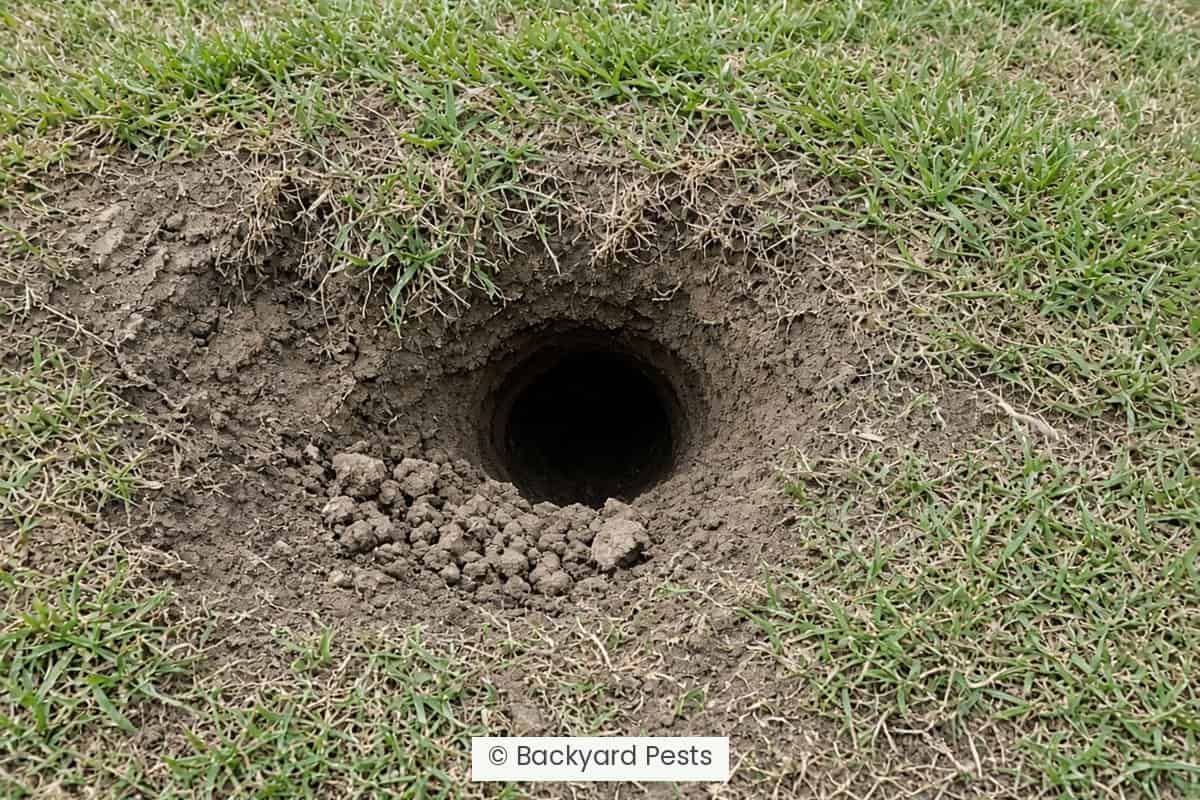
Burrows can undermine lawns, garden beds, irrigation, and, in agricultural country, ditches and levees. They eat plants, seeds, and sometimes fruit or nuts close to the ground. They don’t typically move into an attic the way a gray squirrel does. If the damage is a torn soffit and rustling at dawn, you almost certainly have a tree squirrel.
Scattered, shallow holes in a mulched bed, with no tunnel system, are more often a tree squirrel caching food. That problem is closer to garden protection and protecting bulbs than to burrow control.
How do I get rid of ground squirrels?
Start with identification and with your state rules. Control methods that are legal and effective for ground squirrels in California — including certain traps, burrow treatments, and, in some agricultural settings, other registered options — may be restricted or different where you live. UC IPM’s Ground Squirrel pest notes are the best first read if you’re in California. Elsewhere, start with your state wildlife agency or cooperative extension.
Habitat changes help at the edges: remove brush piles close to the burrows, protect garden beds with hardware cloth buried at the edges, and don’t leave spilled seed or pet food on the ground. A motion-activated sprinkler may haze animals out of a small garden, but it will not collapse a colony in a pasture. Taste sprays such as hot pepper wax might protect a few plants; they won’t empty a burrow system.
Trapping, if it’s legal for you, uses different sets and placements than a tree-squirrel cage under an attic hole. Follow the IPM or extension instructions for the species you have, check traps often, and don’t relocate animals unless the law clearly allows it. Here’s the general caution in how to trap a squirrel; the burrow details belong to your local guidance.
What should I not do?
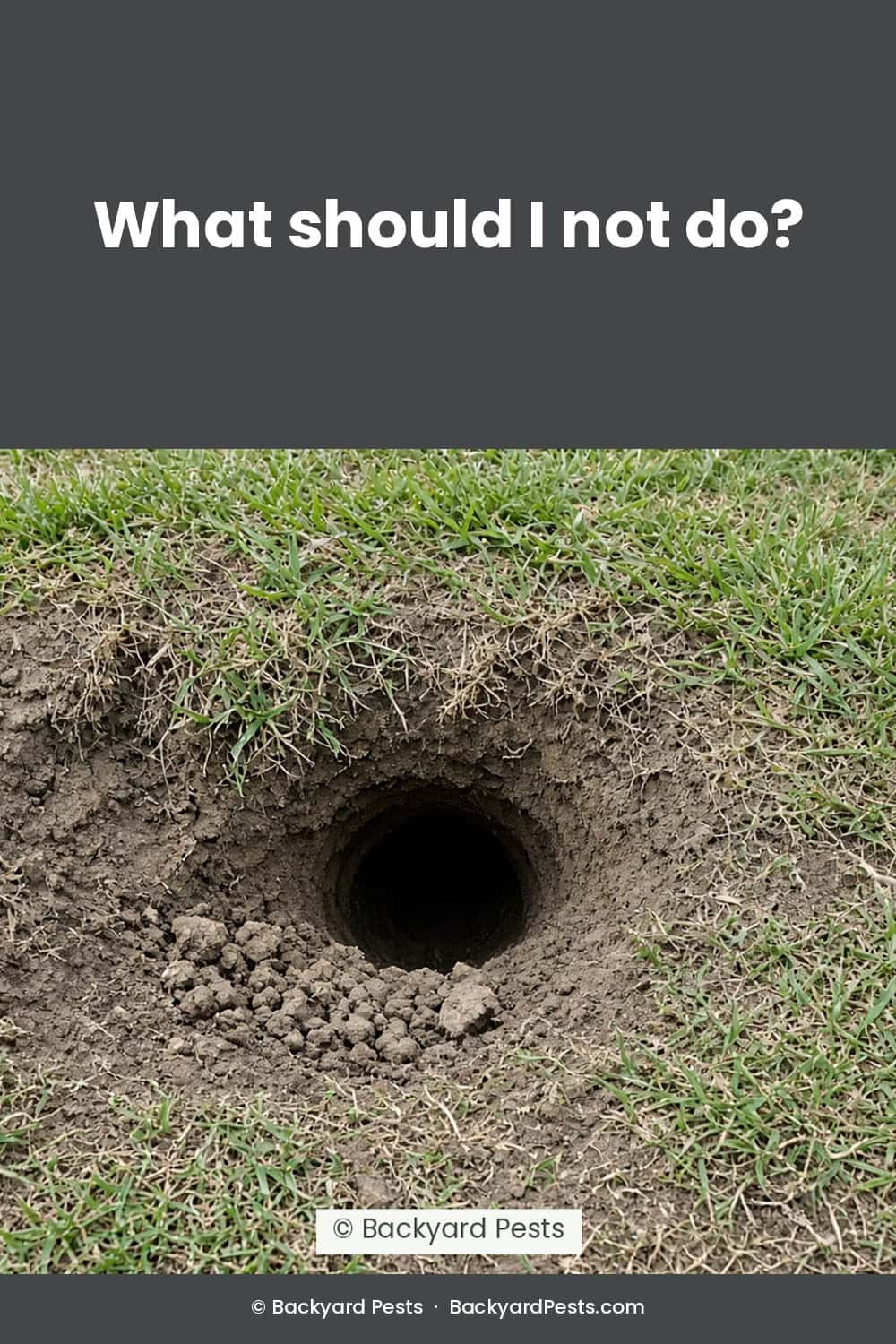
Don’t use attic one-way doors, mothballs in burrows, or off-label poison. Gasoline, flood-the-burrow stunts, and fumigants you’re not licensed or labeled to use are dangerous and often illegal. Don’t treat a tree squirrel in the oak as if it were a ground squirrel, and don’t treat a ground-squirrel colony as if sealing a vent will fix it.
If the burrows are extensive, near a structure, or on a levee or ditch, call your extension office or a licensed professional who works on ground squirrels in your state. This is one pest where “a spray from the garden center” is almost never the whole answer — and getting the animal right is half the work.
Save this for later: pin this post so the “is this even a tree squirrel?” check is here before you buy an attic kit for a burrow.
Sources:
University of California Statewide IPM Program, Ground Squirrel and Tree Squirrels
Penn State Extension, Tree Squirrels