If you hear scratching in the wall and never see the animal, you’re probably trying to get squirrels out of the walls without opening up the drywall — or sealing them in by mistake.
I looked at how wildlife agencies handle this, and it’s almost always an outside job, not a living-room job.
To get squirrels out of the walls, find the exit on the outside of the house — usually at the roofline, soffit, or a vent — check for babies, then use a one-way exclusion door and seal the hole with metal after they’re gone. Don’t put poison in a wall void, and don’t nail the hole shut while they’re still inside.
The sound is alarming, but the opening is rarely in the room where you’re standing. Here’s how to tell what you’re hearing, how to get them out, and what to do if one dies in the wall.
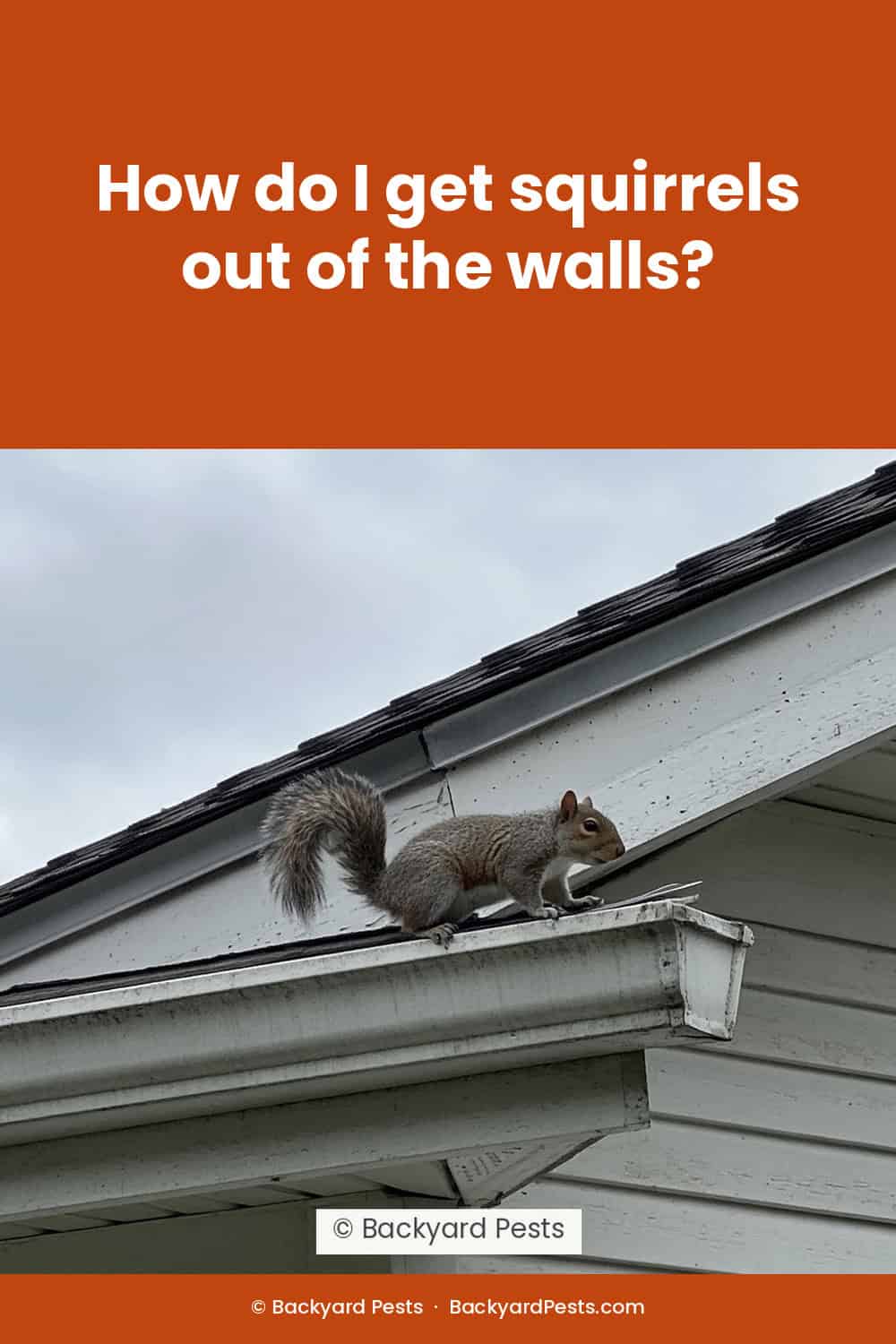
How can I tell if it’s a squirrel or a mouse in the wall?
Time of day and the weight of the sound help. Gray squirrels are usually noisy in the morning and late afternoon, and the movement sounds heavier than a mouse. Flying squirrels and rats are more likely at night. Mice are quieter and can live in a much smaller gap.
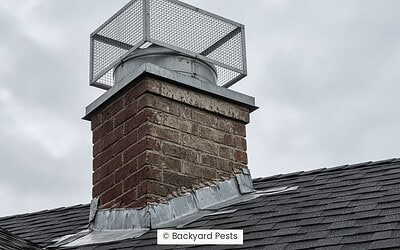
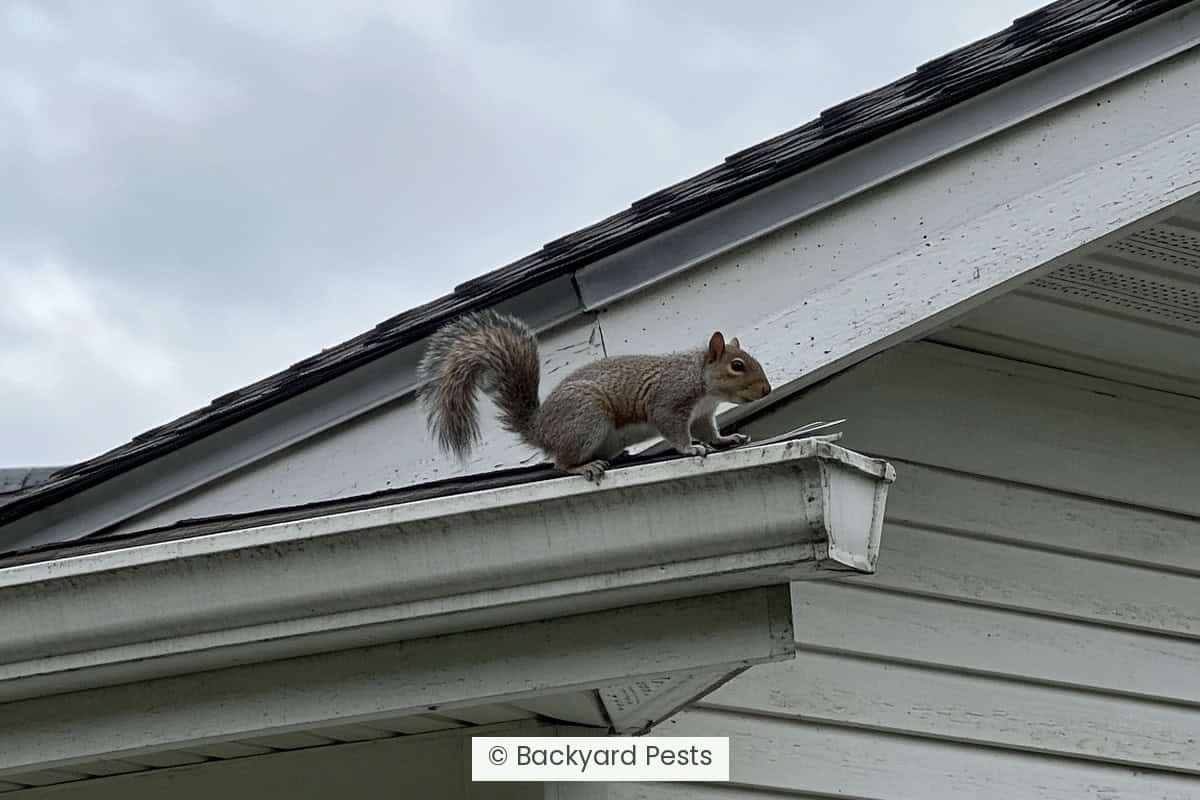
Look outside at the same height as the noise: a chewed soffit, a loose vent, a gap where a porch roof meets the wall, or daylight showing through a fascia board. That’s the door. Inside, you might also find droppings in the attic above the wall, or see other signs of squirrels in the house. If you’re not sure it isn’t a rat, start with how to tell a squirrel from a rat. Night-only noises are covered in why squirrels come out at night.
How do I get squirrels out of the walls without trapping them inside?
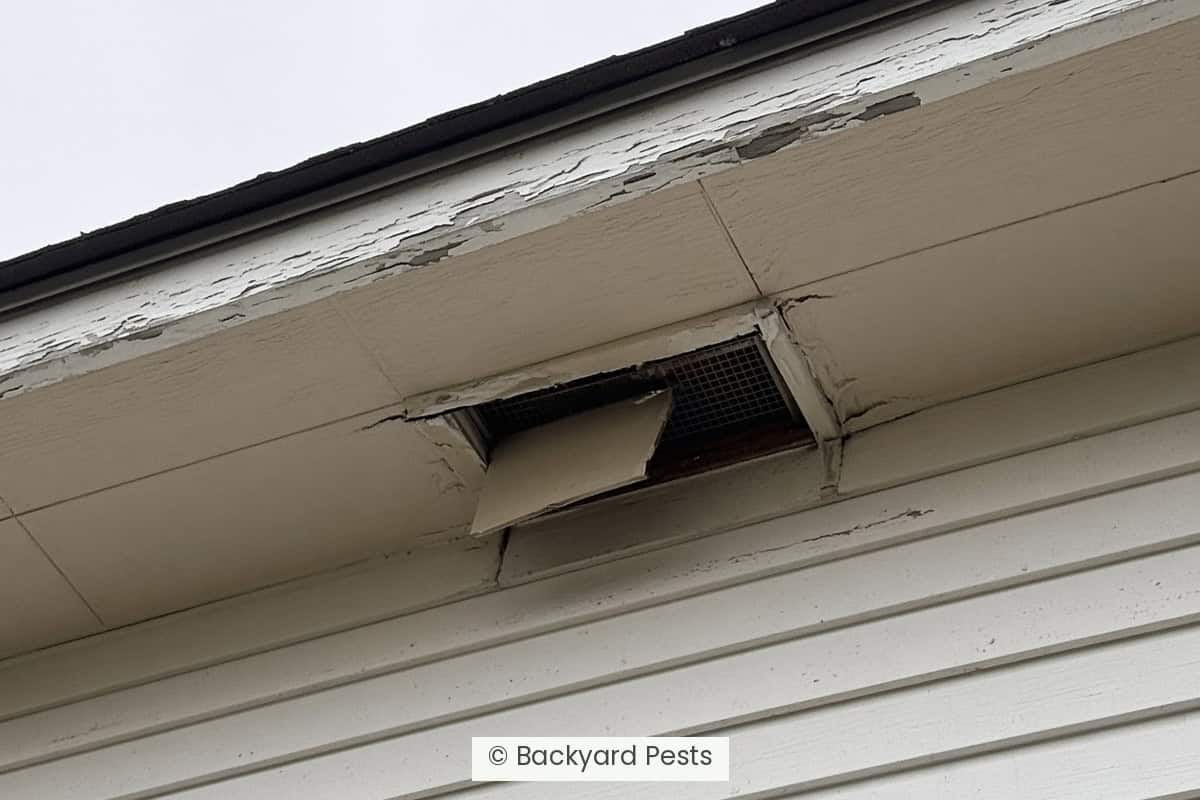
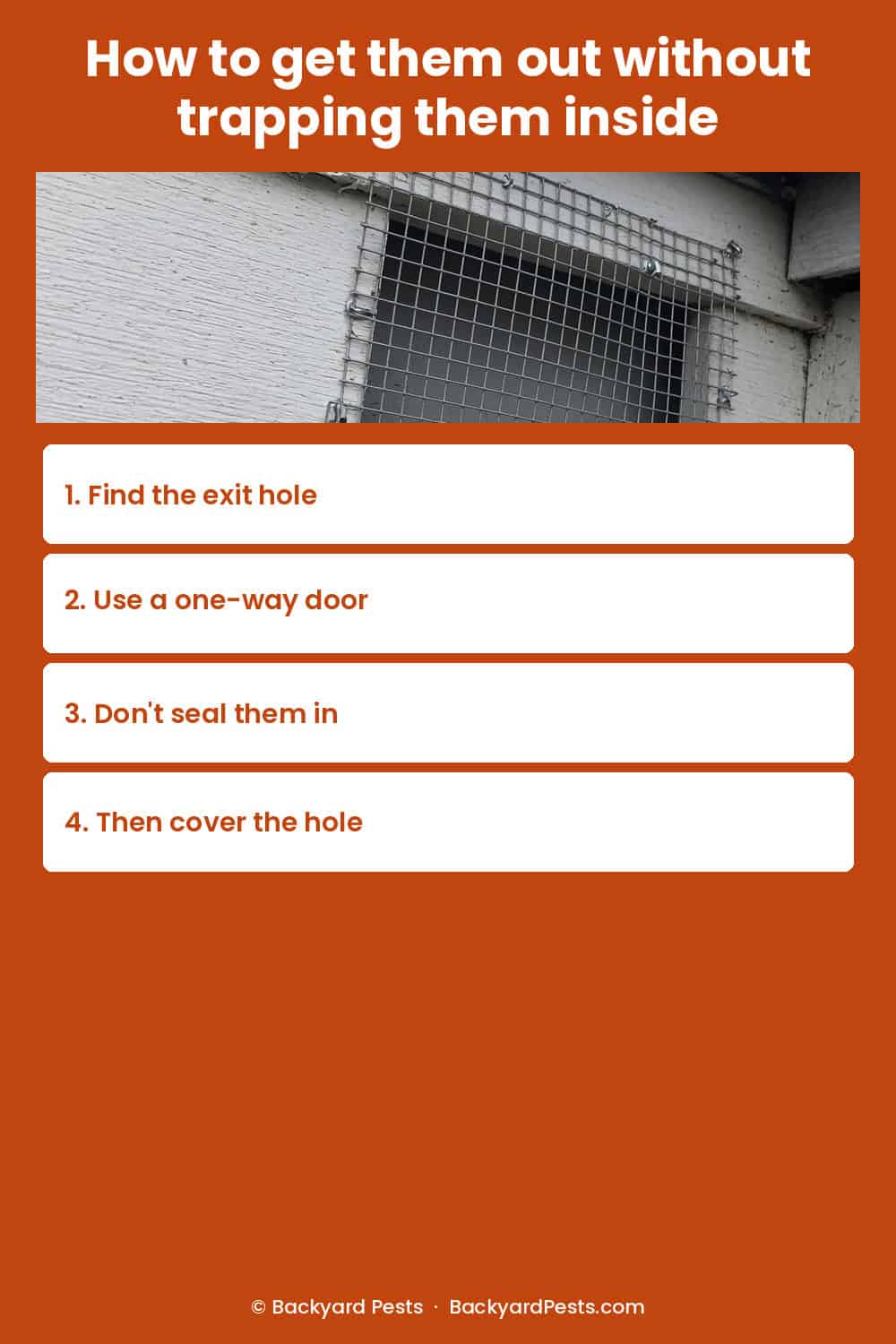
Treat it like an attic problem that happens to be vertical. Walk the exterior, find every opening, and don’t close the last one until the animals are out. Check for young first — nesting season is late winter to spring and late summer to early fall in much of the US, and a mother sealed out of a wall will often chew a new hole to get back in.
Close the extra holes with metal. Put a one-way squirrel exclusion door on the main exit. Wait until the scratching stops, then seal that last opening with aluminum flashing or hardware cloth, as in how to seal squirrel entry holes. The full house method is in how to get rid of squirrels in the house, and if the run actually starts in the attic, use the attic steps.
Don’t cut a hole in the drywall to “let it out” unless a professional is doing that on purpose. Most of the time the squirrel already has an outside exit, and opening the wall just gives it a way into the room.
What happens if a squirrel dies in the wall?
You’ll usually smell it before you find it. The smell can last until the carcass dries out, and it may be hard to reach without opening the wall. If you can locate it and remove it, bag it, clean the area with a disinfectant, and seal the entry so it doesn’t happen again. If you can’t reach it, a wildlife control operator or a contractor may need to open a small section of the wall.
This is one more reason not to use poison in a wall void. A dying animal crawls somewhere tight, and you’re left with a smell you can’t get to. Poison also risks pets and isn’t always legal to use on squirrels.
Can I get squirrels out of the walls without killing them?
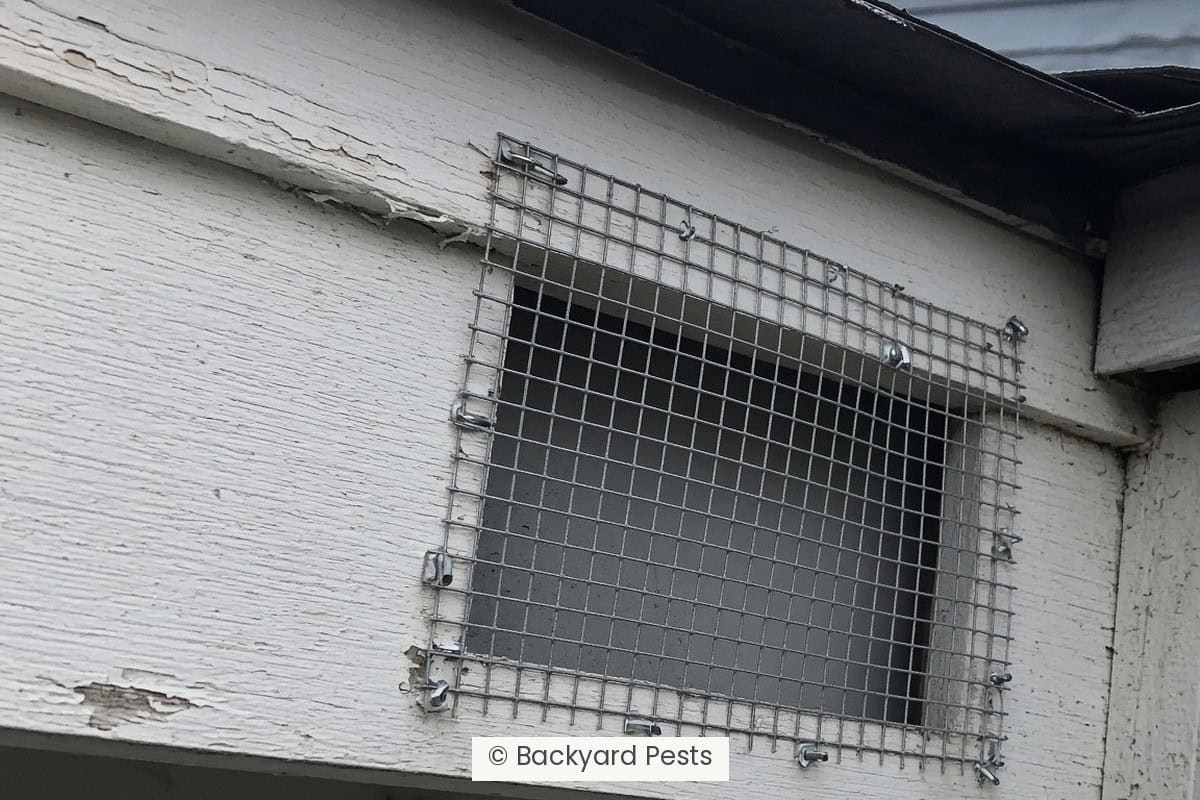
Yes. A one-way door is designed for that. Live-trapping is a backup, and only if your state allows it — here’s how to trap a squirrel and why the law should come first. A radio or a light in a nearby attic hatch sometimes encourages them to leave, but it isn’t a substitute for finding the exit and sealing it with metal.
Once the wall is quiet, keep an ear out for a few days. If the sound starts again, you missed a hole, often along the same soffit line. Fix that before the next litter is born in the cavity.
Save this for later: pin this post so the “find the outside exit” step is here the next time you hear scratching in the wall.
Sources:
Wildlife Center of Virginia, Squirrels as Neighbors
University of California Statewide IPM Program, Tree Squirrels
Penn State Extension, Tree Squirrels
US Centers for Disease Control and Prevention, How to Clean Up After Rodents